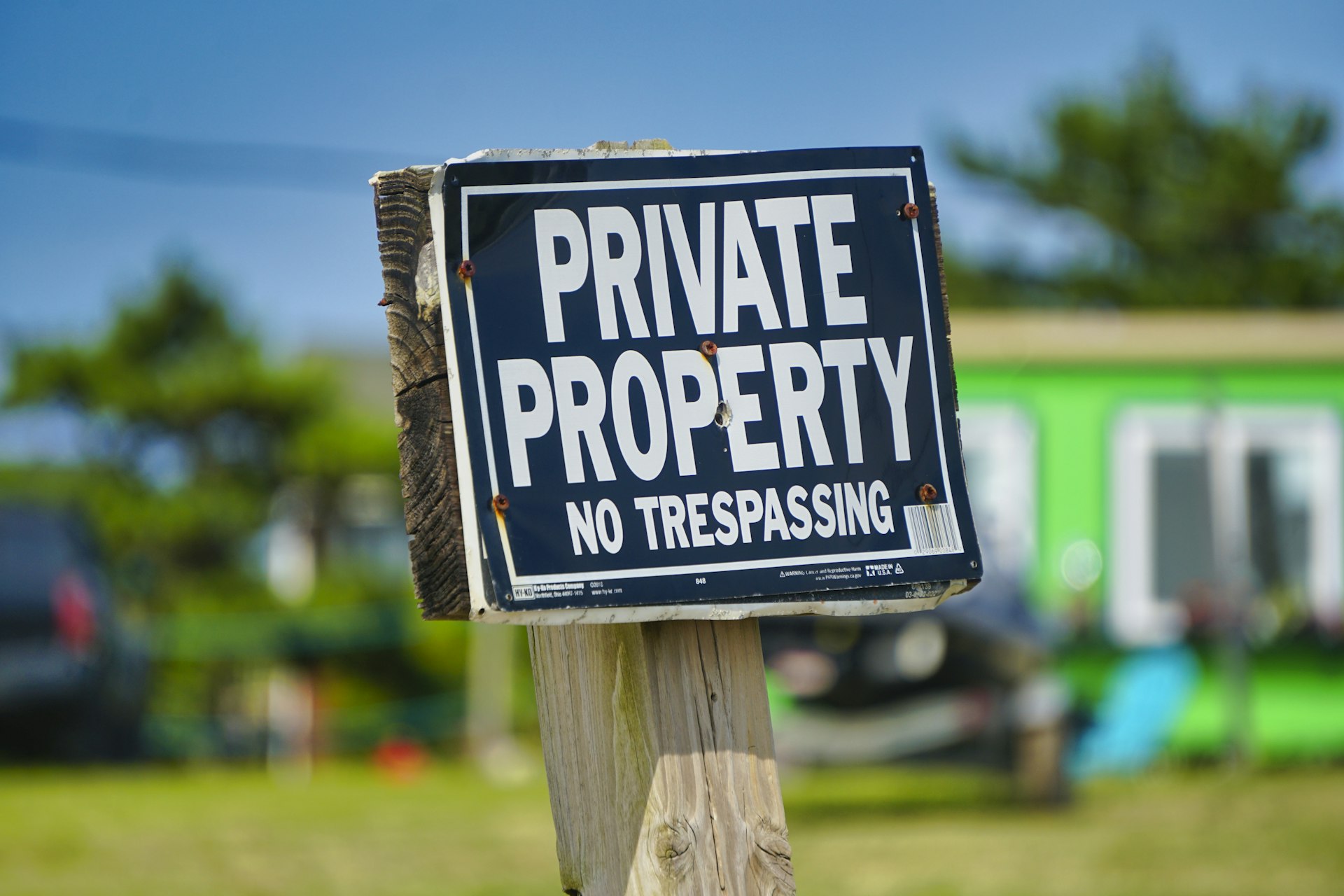
Step-by-Step Guide: How to Get Your Real Estate License in Pennsylvania

Photo by Erik Mclean on Unsplash
Introduction
Pennsylvania’s real estate market offers dynamic opportunities for individuals seeking a flexible, rewarding career. Whether you want to help buyers find their dream homes or assist sellers in maximizing property value, obtaining a real estate license is your essential first step. This guide delivers a detailed, actionable pathway for aspiring agents, addressing every requirement, benefit, and potential challenge based on current regulations and verified resources.
Eligibility Requirements
Before initiating the licensing process, ensure you meet the base criteria as set by the Pennsylvania Real Estate Commission:
- You must be at least 18 years old .
- You need a high school diploma or GED equivalent.
- You must be a U.S. resident [1] [2] .
Meeting these requirements ensures you can proceed with pre-licensing education and subsequent steps. If you have a criminal history, you must obtain a recent Criminal History Records Check from the state police or an approved agency for every state in which you’ve lived [4] .
Pre-Licensing Education
The core of Pennsylvania’s licensing process is completing 75 hours of approved real estate coursework within five years prior to your license application [1] [2] . This typically consists of:
- Real Estate Fundamentals (30 hours)
- Real Estate Practice (45 hours)
Courses can be taken through accredited colleges or approved real estate education providers. If you already hold a bachelor’s degree with a real estate major or a Juris Doctor (JD) degree, you may qualify for a waiver of these education requirements. Some out-of-state coursework may also be accepted, provided it’s approved by Pennsylvania’s licensing authority [2] .
Passing the Licensing Exam
After completing pre-licensing education, you must pass the Pennsylvania Real Estate Salesperson Exam , which is administered by PSI. The exam consists of two sections:

Photo by Tierra Mallorca on Unsplash
- National section – covers general U.S. real estate principles.
- State-specific section – focuses on Pennsylvania laws and practices.
BOTH sections must be passed within three years prior to submitting your license application. If you hold a current license from another state, you may only need to take the Pennsylvania-specific section. Exam registration information, testing locations, and practice resources are available via approved education providers and PSI’s official website [1] [2] .
Background Check
A criminal background check is required for all applicants and must be conducted by the Pennsylvania State Police or another approved provider. The background check document cannot be older than 90 days when you submit your application [3] . If you have lived in other states, you must provide a record from each state agency covering your residential history [4] . If you have concerns regarding past convictions, consult the Real Estate Commission’s licensure guide for information on preliminary determinations.
Finding a Sponsoring Broker
To legally practice real estate in Pennsylvania, you must be affiliated with a licensed real estate broker. Brokers supervise transactions and ensure legal compliance. You cannot submit your license application until you have a sponsoring broker who is willing to oversee your work [1] [3] . Many brokerages offer mentorship, training, and support for new agents. Consider interviewing multiple brokerages to find one that aligns with your goals, values, and preferred market segment.
To maximize professional benefits, join a brokerage that is a member of the National Association of Realtors® (NAR) and the Pennsylvania Association of Realtors® (PAR). This gives you access to resources such as standard forms, MLS listings, and support services [3] .
Submitting Your Application
Once you’ve met all the requirements, you must submit your license application through the Pennsylvania Licensing System (PALS) . Required steps include:
- Create a PALS account
- Upload course completion certificates, exam results, and background check documents
- Pay the application fee (currently $97.00 for initial licensure, subject to change) [2]
- Have your sponsoring broker confirm your affiliation through the PALS portal
After review and approval by the Pennsylvania Real Estate Commission, you will receive your license and can begin practicing as a real estate salesperson.
Continuing Education and License Renewal
Pennsylvania requires licensed real estate agents to complete 14 hours of continuing education every renewal period to maintain their license. The renewal fee is currently $96.00 [2] . Continuing education courses help agents stay informed about legal updates, ethical standards, and emerging market trends. Most approved education providers offer online and in-person options to accommodate busy schedules.
Alternative Pathways and Reciprocity
If you hold a real estate license in another state, Pennsylvania offers reciprocity that may allow you to bypass some requirements. You generally need to take only the state-specific exam and submit verification of your active license [2] . For those with advanced degrees related to real estate, such as a JD or a bachelor’s in real estate, some education requirements may be waived.
Practical Tips and Common Challenges
Obtaining your Pennsylvania real estate license involves several steps that can present challenges, such as selecting a reputable education provider, passing the licensing exam, and finding the right broker. To address these:
- Research top real estate schools for quality instruction and exam prep options.
- Use practice tests and study groups to boost exam performance.
- Network with local agents and brokers to learn about different brokerage cultures.
- Stay organized by tracking deadlines, document requirements, and renewal dates.
If you face obstacles, reach out to professional associations like PAR or consult the Pennsylvania Real Estate Commission’s resources for guidance.
Benefits of Becoming a Licensed Real Estate Agent
Once licensed, you gain access to a dynamic career with earning potential based on commission, flexible schedules, and personal growth. Membership in professional associations like the Pennsylvania Association of Realtors® unlocks resources, support services, and ongoing education [3] . Access to MLS listings, legal hotlines, and standard forms streamlines business operations, while networking events foster professional development.
Action Steps and How to Get Started
If you’re ready to pursue a Pennsylvania real estate license:
- Verify you meet eligibility requirements.
- Enroll in approved pre-licensing courses through an accredited provider.
- Prepare for and schedule your licensing exam with PSI.
- Complete a criminal background check via the Pennsylvania State Police or PATCH site.
- Research and contact brokerages to secure sponsorship.
- Create a profile on the Pennsylvania Licensing System (PALS) to submit your application.
- Plan for ongoing education to maintain and renew your license.
For official forms and application procedures, visit the Pennsylvania Department of State’s website and search for “Real Estate Salesperson Licensure” for updated instructions and access to the PALS portal. For education providers, consult the Pennsylvania Association of Realtors® for recommendations. If you have questions, contact the Real Estate Commission or your chosen brokerage for support.