Evolving Dynamics in Data Center Real Estate Investment Strategies

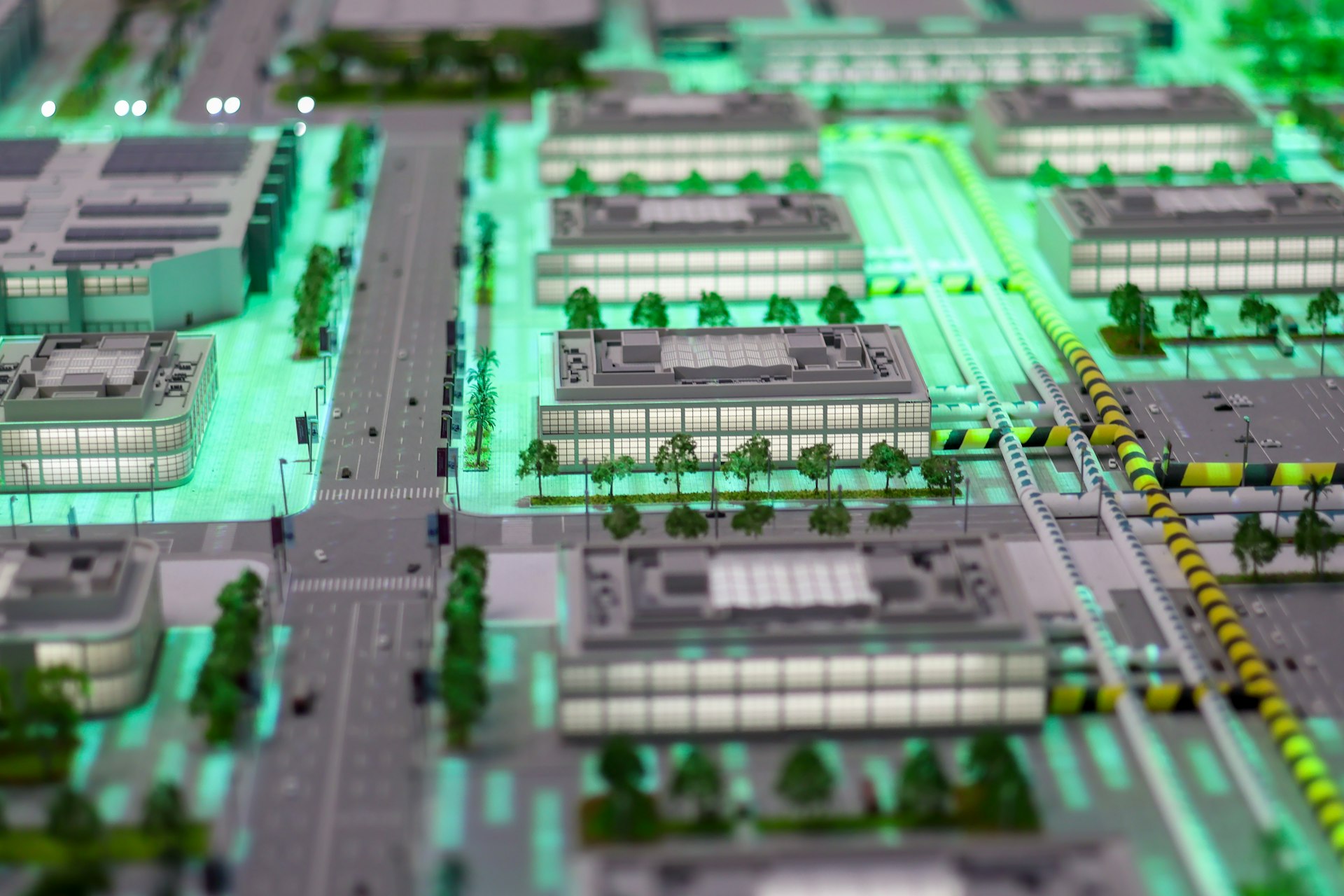
Photo by Jakub Żerdzicki on Unsplash
Over the past decade, the intersection of digital growth and real estate has created a distinct niche within investment portfolios, with properties dedicated to housing data processing facilities emerging as a key area of interest. Unlike traditional commercial real estate, these assets are tied directly to the performance of global digital ecosystems, from cloud computing platforms to streaming services and enterprise software solutions. As organizations continue to prioritize digital transformation, the demand for reliable, high-capacity data storage and processing space has grown exponentially, driving investors to reevaluate their approaches to this segment.
Geographic Shifts in Investment Focus
Historically, data center real estate investment was concentrated in major tech hubs such as Silicon Valley, Northern Virginia, and London, where access to high-speed internet infrastructure and a skilled workforce was readily available. However, recent years have seen a noticeable shift toward secondary and tertiary markets. This change is driven by several factors: the rising cost of land and energy in primary hubs, the need to reduce latency for end-users in regional markets, and the desire to diversify risk across different geographic locations. According to a 2023 report by a leading real estate analytics firm, investment in secondary market data centers in the U.S. increased by 35% year-over-year, outpacing growth in primary hubs by 12 percentage points. For example, cities like Atlanta, Dallas, and Phoenix in the U.S. have become popular destinations, offering lower operational costs, ample land for expansion, and robust fiber optic networks. Similarly, in Europe, cities like Amsterdam and Frankfurt have emerged as secondary hubs, balancing proximity to major markets with more favorable regulatory environments for data center development.
The Rise of Edge Data Centers
Another significant trend shaping investment decisions is the growing adoption of edge data centers. These smaller, localized facilities are designed to process data closer to end-users, reducing latency for applications that require real-time responses, such as autonomous vehicles, IoT devices, and live streaming services. Unlike large-scale hyperscale data centers, edge facilities are often located in urban areas, leveraging existing commercial real estate spaces like office buildings or retail locations. This presents a unique opportunity for investors to repurpose underutilized properties, converting them into high-value digital infrastructure assets. A 2024 industry survey found that 68% of enterprise IT leaders plan to increase their spending on edge computing infrastructure over the next three years, creating a steady demand for edge data center properties. For instance, some investors have retrofitted old warehouse spaces in downtown areas to house edge data centers, capitalizing on their proximity to dense population centers and existing power and connectivity infrastructure.

Photo by Jakub Żerdzicki on Unsplash
Sustainability as a Core Investment Metric
Sustainability has moved from a secondary consideration to a core metric in data center real estate investment. As concerns about carbon emissions and energy consumption grow, investors are increasingly prioritizing facilities that use renewable energy sources and incorporate energy-efficient design principles. Many institutional investors now require data center assets in their portfolios to meet LEED Platinum certification standards, or equivalent, to ensure long-term value and compliance with ESG (Environmental, Social, Governance) criteria. Many data center operators are now investing in technologies like liquid cooling systems, which reduce energy usage by up to 40% compared to traditional air cooling methods, and on-site renewable energy generation, such as solar panels or wind turbines. Additionally, regulatory frameworks in regions like the European Union and California are imposing stricter emissions standards on data centers, making sustainable investments not only environmentally responsible but also financially viable in the long term. Investors who fail to account for these sustainability risks may face higher operational costs or reduced asset values in the future.
Regulatory and Infrastructure Considerations
Investors in data center real estate must also navigate a complex web of regulatory requirements and infrastructure constraints. Different regions have varying rules regarding land use, power consumption, and data privacy, which can significantly impact the feasibility of a project. In Singapore, for example, the government has implemented a data center cooling efficiency standard that requires new facilities to achieve a Power Usage Effectiveness (PUE) rating of 1.2 or lower, pushing investors to adopt innovative cooling technologies like direct liquid cooling and waste heat recovery systems. Some areas restrict the construction of large data centers due to concerns about water usage, as traditional data centers require substantial amounts of water for cooling purposes. In contrast, other regions offer tax incentives or grants to attract data center investments, recognizing the economic benefits they bring, such as job creation and increased tax revenue. Additionally, access to reliable power grids is a critical factor; data centers require uninterrupted power supply to avoid costly downtime, so investors often prioritize locations with redundant power infrastructure and access to multiple energy sources.
Future Outlook for Data Center Real Estate Investment
Looking ahead, the data center real estate market is expected to continue its growth trajectory, driven by ongoing advancements in artificial intelligence, machine learning, and the expansion of the Internet of Things. These technologies require massive amounts of computing power, which will further increase the demand for data center space. However, investors will need to adapt to evolving market conditions, including the growing importance of sustainability, the rise of edge computing, and the need for flexible, scalable facilities. Additionally, the integration of modular data center designs, which allow for faster deployment and easier expansion, is likely to become more prevalent, offering investors a more agile approach to asset development. As the digital economy continues to evolve, data center real estate will remain a dynamic and important segment of the investment landscape, requiring a deep understanding of both real estate principles and technological trends. This ongoing evolution will continue to present new opportunities and challenges for investors, encouraging a proactive and informed approach to asset selection and management.