Shifts in Residential Relocation: Understanding Modern Suburban Migration Trends

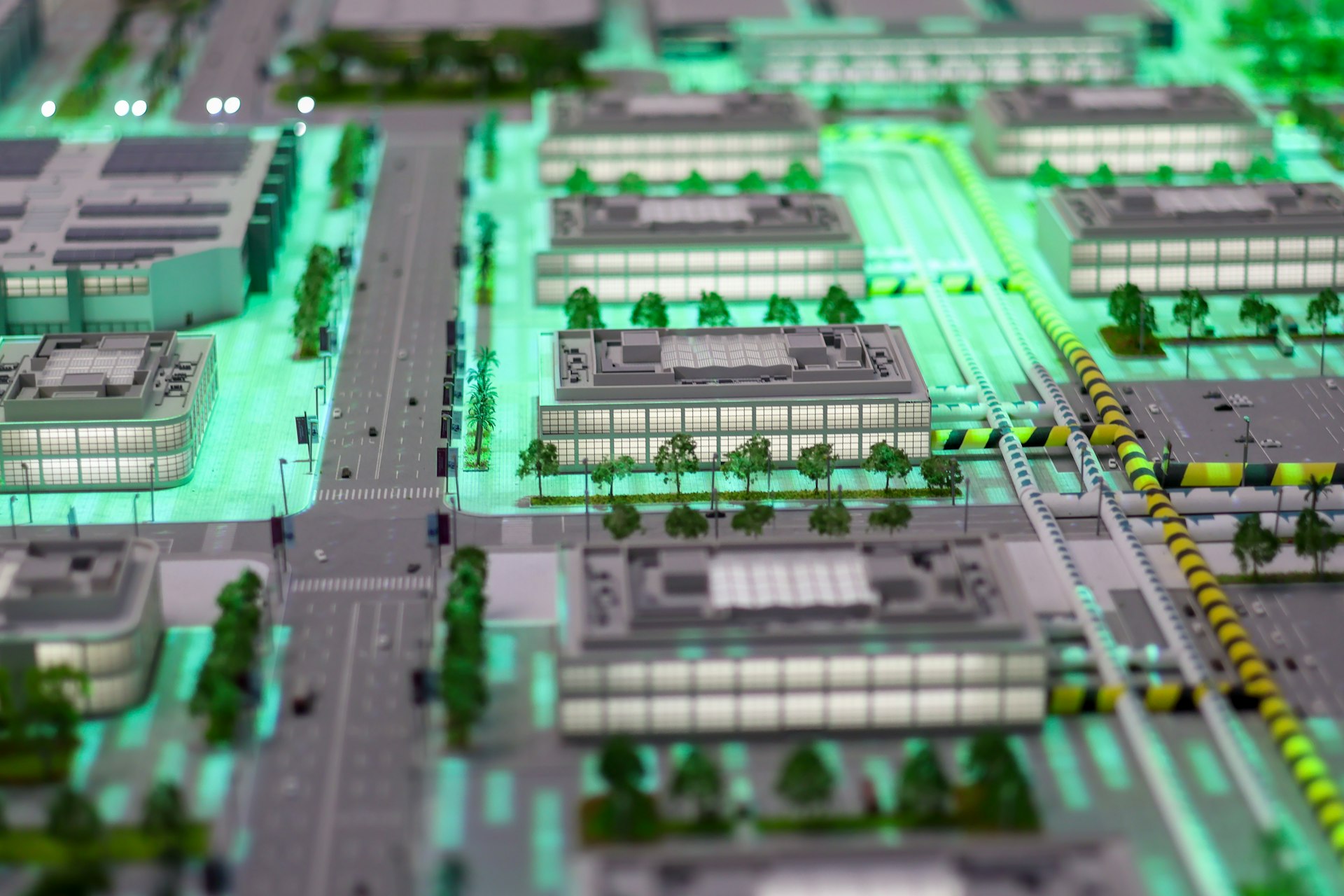
Photo by Neal E. Johnson on Unsplash
Over the past decade, residential migration has shifted dramatically, with a growing number of people choosing suburban locales over dense urban centers. This trend, accelerated by global events in the early 2020s, has created lasting changes in how communities are structured and how people live their daily lives.
The Post-Pandemic Catalyst
Before 2020, suburban migration was a steady but gradual trend, driven primarily by young families seeking larger homes and better school districts. However, the COVID-19 pandemic acted as a major catalyst, as remote work became a mainstream option for millions of employees. According to a 2023 Pew Research Center survey, 60% of full-time remote workers reported that their ability to work from anywhere influenced their decision to relocate. For many, this meant leaving cramped urban apartments for suburban homes with dedicated office spaces, backyards, and more room for family activities. This shift was not limited to the United States; similar trends were observed in countries like Canada, the United Kingdom, and Australia, where urban dwellers sought more space to navigate lockdowns and remote work requirements.
Key Drivers of Suburban Relocation
Beyond remote work, several other factors contribute to the ongoing suburban migration trend. Housing affordability is a top concern for many: in 2024, the median home price in major urban centers like San Francisco and New York City was approximately 2.3 times higher than in surrounding suburban areas, according to the National Association of Realtors. This price gap makes suburban homes a more accessible option for first-time buyers and families looking to upgrade their living space.
Quality of life is another significant driver. Suburban areas often offer lower crime rates, larger green spaces, and more community-focused amenities like local parks, sports leagues, and farmers’ markets. For parents, access to highly rated public schools is a critical factor; suburban school districts typically have higher funding levels and smaller class sizes compared to their urban counterparts, as reported by the U.S. Department of Education. Additionally, many suburban areas are now investing in mixed-use developments that combine residential spaces with retail, dining, and co-working facilities, addressing one of the historical drawbacks of suburban living-lack of walkable, convenient amenities.
Demographic Shifts in Migrating Populations
The profile of suburban migrants has expanded beyond young families in recent years. Millennials, who once favored urban living for its nightlife and proximity to work, are now moving to suburbs in large numbers as they start families and prioritize space. A 2023 report from the Urban Institute found that 45% of millennial homeowners live in suburban areas, up from 38% in 2019. Empty nesters are also joining the trend: many are downsizing from large family homes but still prefer suburban locales for their quiet, low-maintenance lifestyles and access to healthcare facilities.
Gen Z, though still a smaller segment of the housing market, is also showing interest in suburban living. Unlike previous generations, many Gen Z individuals value work-life balance and outdoor activities over urban nightlife, making suburbs an attractive option. Additionally, the rise of hybrid work models means that Gen Z professionals can enjoy the best of both worlds-suburban space and occasional in-office days in urban centers.
Impact on Suburban Communities
The influx of new residents has had both positive and negative impacts on suburban communities. On the positive side, it has boosted local economies: small businesses like coffee shops, grocery stores, and home improvement centers have seen increased foot traffic, and new businesses are opening to meet the needs of the growing population. School districts have experienced rising enrollment, leading to increased funding and expanded programs for students.
However, the rapid growth has also presented challenges. Many suburban areas are struggling to keep up with the demand for infrastructure improvements, such as expanded roads, public transit options, and water and sewage systems. Traffic congestion has become a common issue in many suburban corridors, as more residents commute to urban centers for work or leisure. Additionally, the increased demand for housing has led to rising property values in some suburban areas, making it harder for long-time residents to afford their homes and for low-income families to move in.
Future Outlook
Experts predict that suburban migration will continue in the coming years, driven by the persistence of hybrid work models and ongoing demand for affordable, spacious housing. To address the challenges of rapid growth, many suburban communities are implementing smart growth strategies, such as mixed-use zoning, affordable housing initiatives, and investments in public transit. For example, some suburbs are building walkable town centers that combine residential apartments with retail and office spaces, reducing the need for car travel and promoting community interaction.
Additionally, suburban areas are increasingly focusing on sustainability, with more homes being built with energy-efficient features and community gardens being established to promote local food production. These changes are not only making suburbs more attractive to new residents but also helping to create more resilient, livable communities for future generations.

Photo by T M on Unsplash
As suburban migration continues to evolve, it will be important for policymakers, urban planners, and community leaders to adapt to these changes and ensure that suburban communities remain inclusive, affordable, and sustainable. By understanding the factors driving this trend and addressing its challenges, we can create neighborhoods that meet the needs of all residents, regardless of their age or background.