Innovative Construction Technologies Shaping Modern Real Estate Development

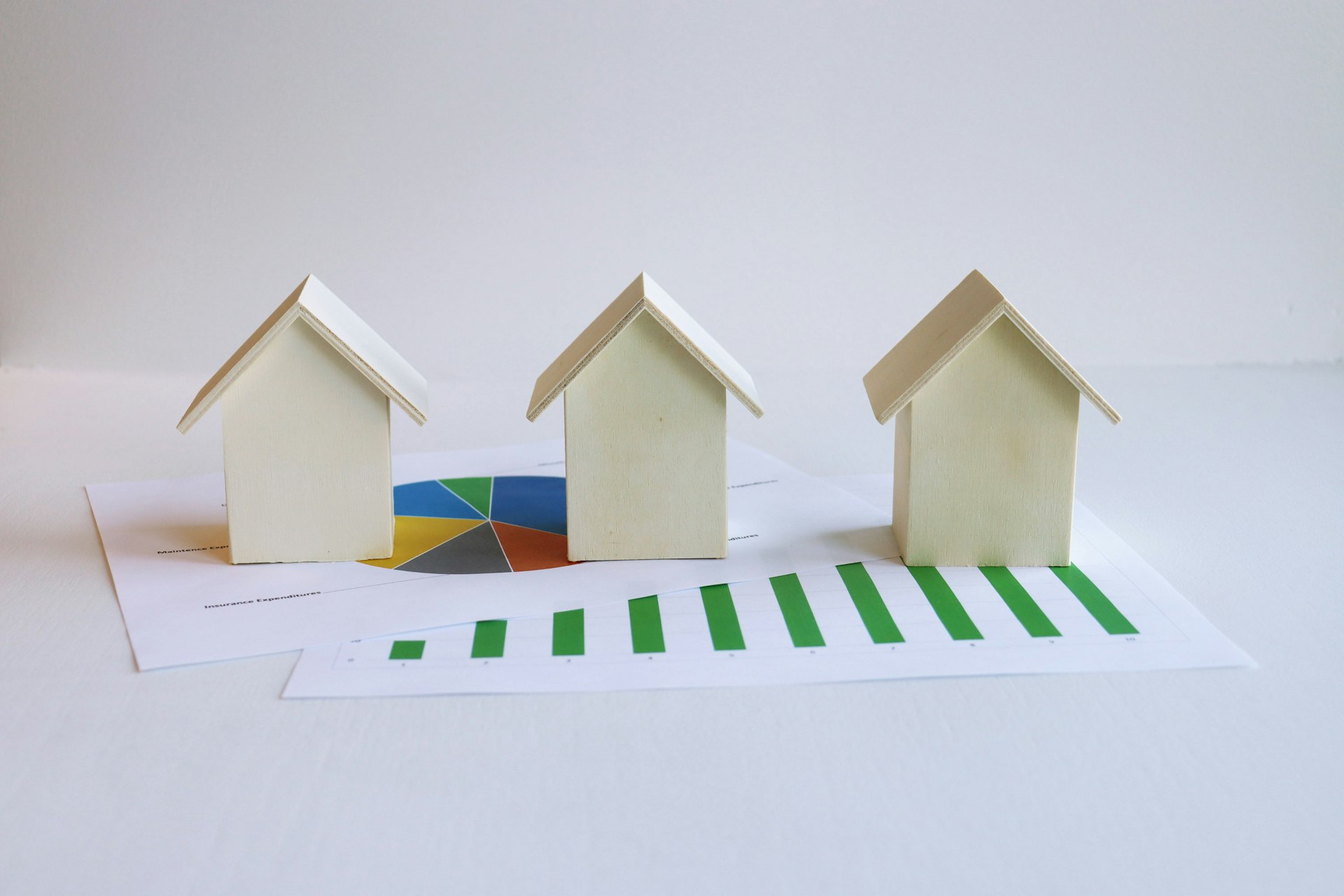
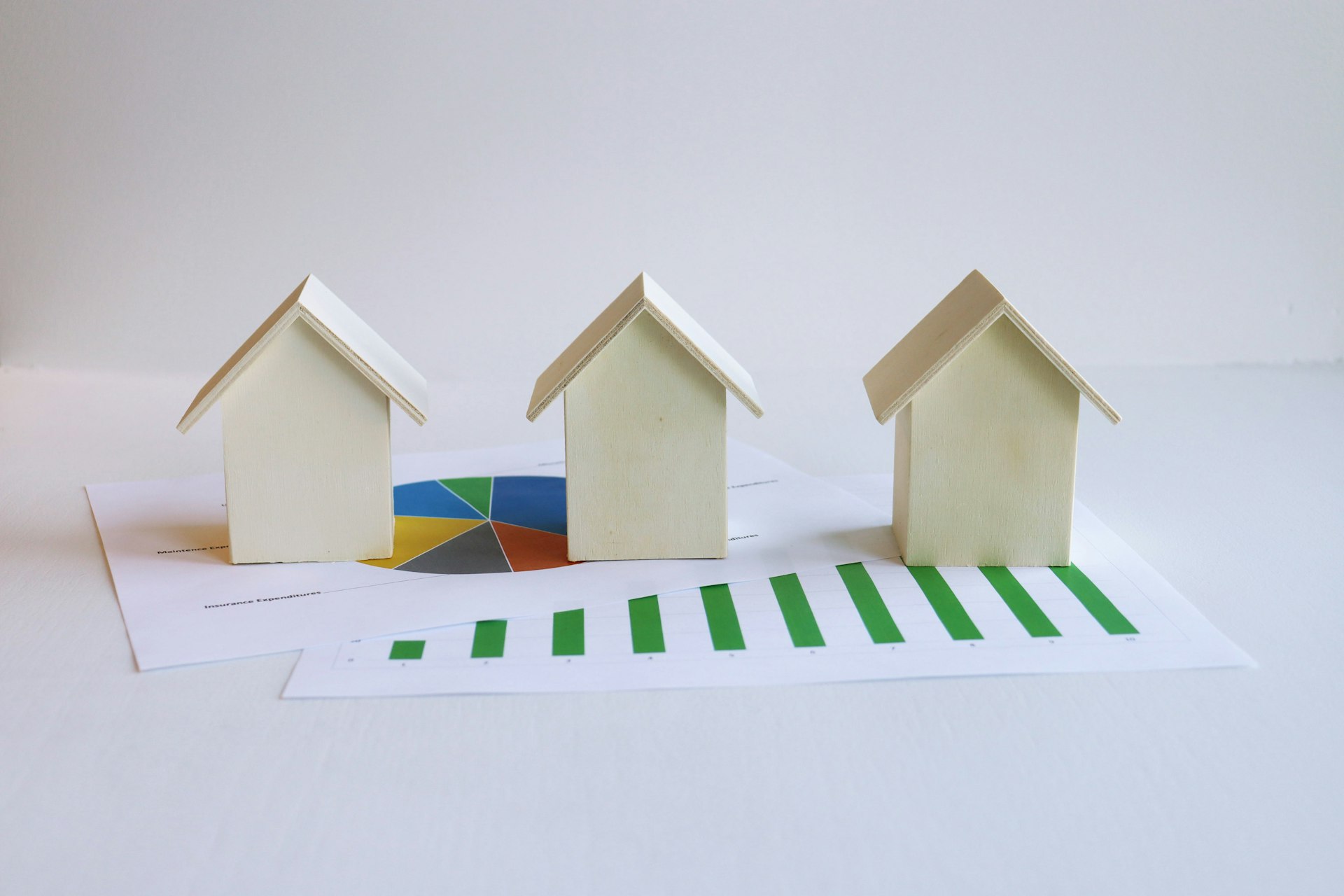
Photo by Etienne Girardet on Unsplash
The Evolution of Construction Practices in Real Estate
For decades, real estate development relied on traditional construction methods that often involved lengthy timelines, high labor costs, and significant material waste. However, recent years have seen a paradigm shift, as new tools and techniques have emerged to address these challenges. These innovations are not just incremental improvements; they are redefining the entire lifecycle of a real estate project, from initial design to post-occupancy maintenance.
Prefabrication and Modular Construction
Prefabrication, or off-site construction, has gained traction as a viable alternative to on-site building. This approach involves manufacturing building components in a controlled factory environment, then transporting them to the construction site for assembly. The benefits are manifold: factory settings allow for precise quality control, reduced exposure to weather delays, and lower material waste. Modular construction, a subset of prefabrication, takes this a step further by creating entire building sections or rooms off-site, which are then stacked and connected on location.
Many real estate developers are turning to modular construction for multi-family housing projects, such as apartment complexes and student housing. For example, a 2023 study by the National Association of Home Builders found that modular projects can be completed up to 50% faster than traditional builds, while also reducing labor costs by 20-30%. Additionally, the controlled factory environment minimizes the risk of errors, leading to higher-quality structures that require less maintenance over time.
Building Information Modeling (BIM)
Building Information Modeling (BIM) has become a cornerstone of modern real estate development. Unlike traditional 2D blueprints, BIM is a 3D digital representation of a building that includes detailed information about every component, from structural elements to mechanical systems. This collaborative tool allows architects, engineers, contractors, and developers to work together in real time, identifying potential conflicts before construction begins.
For instance, BIM can detect clashes between plumbing and electrical systems during the design phase, eliminating the need for costly rework on-site. A report from the Construction Industry Institute noted that projects using BIM experience a 10-20% reduction in overall project costs and a 15-25% decrease in construction time. Beyond the construction phase, BIM continues to add value: property managers can use the model to track maintenance schedules, manage energy usage, and plan renovations more efficiently.
Sustainable Construction Technologies
As environmental concerns grow, real estate developers are increasingly adopting sustainable construction technologies to reduce their carbon footprint. One key innovation is the use of cross-laminated timber (CLT), a renewable building material made from layers of solid wood glued together. CLT is not only stronger than concrete in some applications but also sequesters carbon, making it an eco-friendly alternative to traditional building materials.
Another sustainable tech trend is the integration of smart energy systems into buildings. These systems use sensors and automation to optimize heating, cooling, and lighting, reducing energy consumption by up to 30% compared to conventional buildings. Additionally, green roofs and living walls are becoming more common, providing insulation, reducing stormwater runoff, and improving air quality. A 2022 report by the World Green Building Council found that sustainable buildings have higher occupancy rates and command higher rental prices, making them a financially sound choice for developers.
Robotics and Automation in Construction
Robotics and automation are transforming on-site construction processes, improving safety and efficiency. Autonomous drones are used to survey construction sites, providing accurate 3D maps and progress reports in real time. This reduces the need for manual surveying, which is time-consuming and potentially dangerous. Construction robots, such as bricklaying machines and concrete 3D printers, can perform repetitive tasks faster and more accurately than human workers, reducing labor costs and minimizing errors.
For example, the Hadrian X bricklaying robot can lay up to 1,000 bricks per hour, which is several times faster than a human bricklayer. This not only speeds up construction but also reduces the risk of musculoskeletal injuries for workers. Additionally, automated material handling systems can transport materials around the site, eliminating the need for manual lifting and reducing the risk of accidents.

Photo by Infinara on Unsplash
3D Printing in Construction
3D printing, also known as additive manufacturing, is an emerging technology that has the potential to revolutionize real estate development. This process involves using large-scale 3D printers to create building components or entire structures from materials like concrete, plastic, or clay. 3D printing offers several advantages: it can create complex shapes that are difficult to achieve with traditional methods, reduces material waste by up to 60%, and can be completed in a fraction of the time.
In 2021, a 3D-printed apartment complex was completed in Germany, featuring 16 units that were printed in just 14 days. The project demonstrated that 3D printing can be used to create high-quality, affordable housing at scale. While 3D printing is still in its early stages, it is expected to become more widespread in the coming years as the technology improves and costs decrease.
The Future of Construction Tech in Real Estate
As technology continues to advance, the future of construction in real estate looks promising. Emerging technologies like augmented reality (AR) and virtual reality (VR) are already being used to help clients visualize projects before construction begins, reducing the risk of design changes and client dissatisfaction. Additionally, the Internet of Things (IoT) is being integrated into buildings to create smart homes and commercial spaces that are more connected and efficient.
However, there are still challenges to overcome. Many of these technologies are relatively new, and there is a lack of standardized regulations and training programs for workers. Additionally, the upfront costs of adopting new technologies can be high, which may deter some smaller developers. Despite these challenges, the benefits of construction technology are clear: it can improve the quality, efficiency, and sustainability of real estate projects, making them more accessible and affordable for everyone. As the industry continues to embrace these innovations, it will likely see even more transformative changes in the years to come, shaping the way we live and work in built environments.