
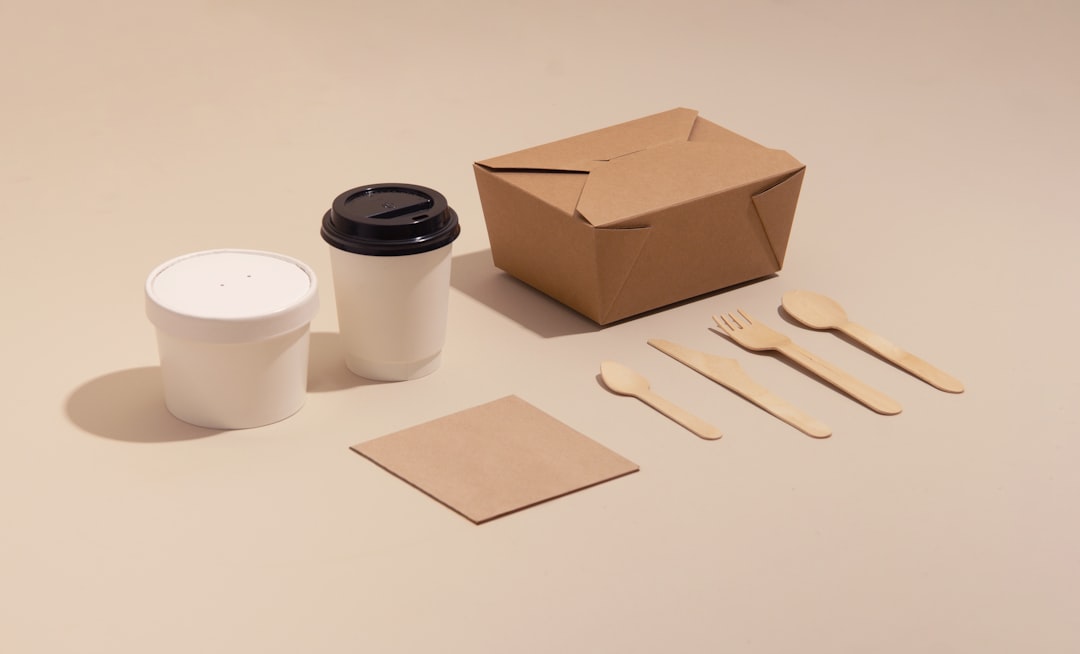
Eco-Friendly Food Packaging for Restaurants
I once watched a perfectly respectable takeout curry try to escape through the corner of a flimsy container, and I have not emotionally recovered. This is the unglamorous truth of restaurant packaging: the box has to hold the food, survive steam, stack in a bag, not bankrupt the lunch special, and now, because the world has correctly become less patient with throwaway plastic, make a credible sustainability case too.
So yes, sustainable packaging can feel like one more decision in a business already made entirely of decisions. But the good news is that the best answer is not usually the fanciest answer. For most restaurants and takeaway businesses, the winning move is a practical mix: bagasse or molded fiber for hot foods, recyclable plastic where recovery is strong, paperboard for dry items, and PLA only where the local composting system can actually handle it.
The Short Answer: What Is Affordable and Genuinely Greener?
If you need one default choice for hot takeout, start with bagasse, the molded fiber made from sugarcane residue. It is sturdy, widely available, microwave-friendly in many formats, and more believable in front of customers than a green leaf printed on a plastic clamshell (the packaging equivalent of wearing running shoes to look busy).
According to Bioleader, bagasse can handle 100-120°C heat, retains shape for 30-40 minutes at 100°C, and suits hot soups, oily foods, and microwaving. PLA, by contrast, begins softening around 55-60°C, which makes it better for cold cups, salad lids, and clear deli containers than for steaming noodles.
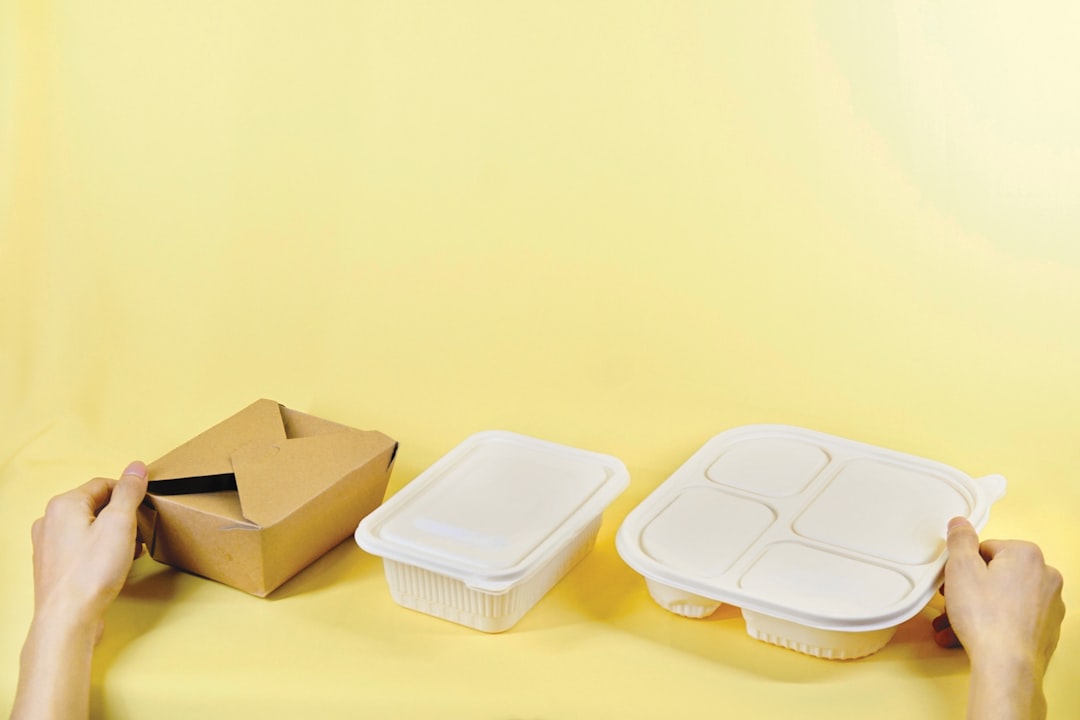
The market is moving this way, not just the earnest corner of the supply closet. Mordor Intelligence valued the global eco-friendly food packaging market at USD 199.12 billion in 2025 and projects it to reach USD 288.33 billion by 2031. Paper and paperboard led with 35.20% market share in 2025, while bioplastics are growing faster. Translation: you are not buying a novelty item anymore. You are buying into a maturing supply chain.
Material Comparison: The Restaurant Packaging Cheat Sheet
| Material | Best For | Watch-Out | Practical Verdict |
|---|---|---|---|
| Bagasse | Hot meals, bowls, clamshells, oily foods | Can be confused with non-compostable lookalikes if poorly labeled | Best all-around compostable choice for hot food |
| PLA bioplastic | Cold cups, clear lids, salads, desserts | Often needs industrial composting and may be rejected locally | Use only where facility acceptance is confirmed |
| Molded fiber or paperboard | Trays, cartons, dry foods, bakery items | Coatings matter; plastic linings can change end-of-life claims | Good value, especially for dry or lightly greasy foods |
| Recyclable plastic, such as PET or PP | Cold foods, leak-prone items, high-visibility deli cases | Only sustainable if customers have real recycling access | Still useful when recycling infrastructure is strong |
My bossy-but-not-actually-in-charge recommendation: match the package to the menu first, then to the disposal system. A compostable box that leaks is not noble; it is just soup with travel ambitions. A recyclable plastic container in a city with strong PET recovery may outperform a compostable one that goes straight to landfill because the local composter refuses it.
Are Compostable Containers Actually Compostable?
Technically, yes. Operationally, it depends. This is the part where the word compostable puts on a tiny lawyer hat.
The Closed Loop Partners Center for the Circular Economy studied more than 23,000 certified food-contact compostable packaging units across 10 commercial composting facilities in North America. Its Composting Consortium notes that roughly 70% of food waste composters now accept some forms of compostable packaging, while also acknowledging that public information on real-world breakdown has been limited.
That is encouraging, but not permission to buy blindly. The Washington State Department of Ecology found that five facilities accepting certified compostable products said those products disintegrated in their composting processes, with processing times ranging from 35 days to six months. The same report also found that facilities saw more contamination from non-compostable lookalike products and no clear financial incentives to accept compostable packaging. The box may behave. The system may still sigh heavily.
BioCycle adds a useful reality check: compostable packaging acceptance pathways increased 9% since 2023, but contamination, uneven facility acceptance, and consumer confusion still constrain recovery. A separate municipal guide from Compostable Plates found that bagasse and uncoated paper plates had the highest acceptance rates among reviewed U.S. municipal programs, while PLA plates were rejected in over 90% of those curbside programs.
Before you print “compostable” on the menu board, call your hauler and the composting facility. Ask three dull but heroic questions: Do you accept this material? Do you require BPI, CMA, or another certification? Do you accept it from commercial foodservice accounts, not just residential carts?
What Does Sustainable Packaging Cost?
The honest answer: more at the unit level, less painfully once you count taxes, compliance, damage rates, and marketing value. This is not the moment for spreadsheet theater (although I respect anyone who has named their packaging spreadsheet something dramatic like Container Reckoning).
Ekoroll estimates that sustainable packaging is typically 20-50% higher than equivalent plastic formats at the unit-price level. But when plastic taxes, extended producer responsibility obligations, and simplified purchasing are included, the effective net premium can narrow to 5-15% in markets with plastic taxes. Its example of a quick-service restaurant using 6,000 packaging units per month shows a monthly increase of roughly €60-120 at a 30% unit premium, partially offset by plastic tax savings.
There is also customer tolerance to consider, though I would not build a business case on vibes alone. McKinsey & Company surveyed more than 11,000 consumers across 11 countries and found that 40-70% were willing to pay at least a little more for sustainable packaging, with younger and higher-income consumers showing the strongest willingness. McKinsey also found products with sustainability claims averaged 28% cumulative growth over five years, compared with 20% for products without such claims.
The practical move is not to switch everything on Tuesday and terrify the accountant. Start with your highest-volume, highest-visibility items: entree clamshells, bowls, coffee cups, and delivery bags. Run the numbers by case, not by romance.
Where to Buy Food Packaging Boxes in Bulk
There are four sensible places to buy restaurant packaging in bulk, and each has its own personality (like a dinner party, but with carton minimums).
- Local restaurant supply distributors: Best for speed, small tests, and emergency reorders when the Saturday rush has eaten your inventory alive.
- National foodservice distributors: Useful if you already buy ingredients, paper goods, and cleaning supplies through one account and want fewer invoices.
- Specialist eco-packaging suppliers: Best for certified compostable bagasse, molded fiber, paperboard, PLA cold cups, and help matching products to local regulations.
- Direct manufacturers or importers: Best for larger chains, custom printing, private-label boxes, and high-volume pricing, but expect higher minimum order quantities and longer lead times.
When comparing suppliers, ask for certifications, material specifications, coating details, case dimensions, lead times, and samples. Do not skip the sample test. Put your hottest, sauciest, least cooperative menu item in the container and leave it for the real delivery window. If it survives your food, your stack height, and your staff, then it may join the family.
How to Market the Switch Without Sounding Smug
Customers do not need a dissertation taped to the takeout bag. They need clear, useful guidance and a reason to feel good without being assigned homework.
Say what changed, why it matters, and what customers should do with the packaging afterward. For example: “We switched our hot bowls to molded sugarcane fiber because they hold up better for delivery and are accepted by our commercial composting partner.” If the item is recyclable, say where. If it is commercially compostable only, say that too. Honesty is more durable than green gloss.
Keep the message specific: “bagasse bowls for hot meals,” “recyclable PET lids for cold salads,” or “commercially compostable where accepted.” McKinsey found consumers see recyclability as the most critical sustainability trait globally, so do not bury disposal instructions in tiny print. Put them on the receipt, the website, the catering proposal, and staff talking points.
The best sustainable packaging choice is not one material forever. It is a menu-by-menu, city-by-city decision that balances function, cost, and actual end-of-life options. Start with hot-food performance, verify local recovery, test samples like a suspicious aunt at a buffet, and tell customers the plain truth. Then order the better box.