
How Can I Tell Whether Foods Are Triggering My Joint Pain Flares?
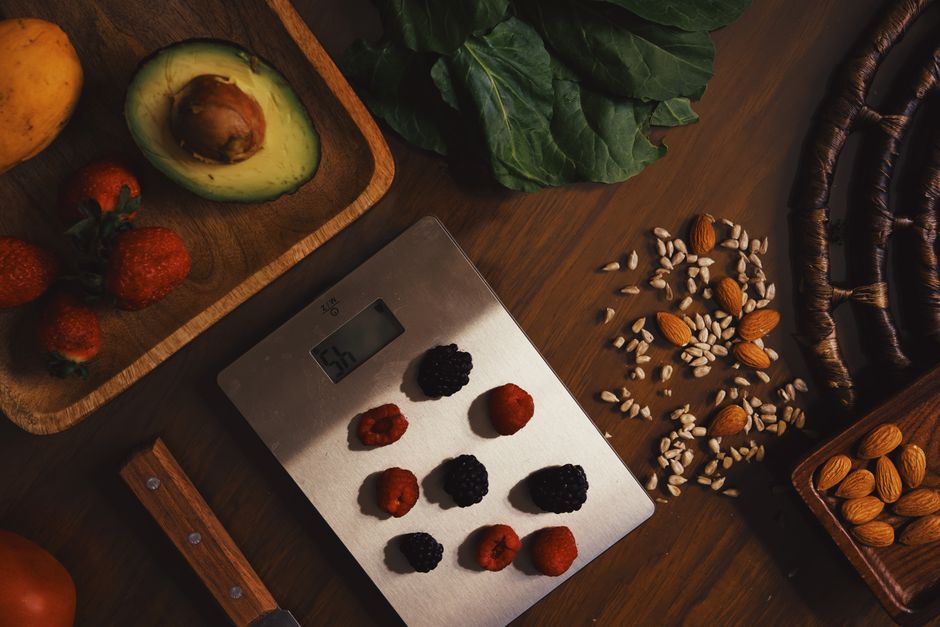
Track meals, drinks, joint symptoms, and daily context for several weeks before blaming a food. Look for the same pattern after the same exposure, then test one suspected food at a time with a short removal and reintroduction period. Broad food bans are not supported for most people with arthritis, and diet changes work best as an addition to medical care.
Can sugar make my arthritis pain and stiffness worse?
Sugary foods and drinks are worth tracking and reducing, but one sweet meal does not prove it caused a flare.
The Arthritis Foundation guide advises reducing sugary foods and highly processed foods without treating complete avoidance as the rule. That distinction matters. A food diary separates a repeating signal from the noise of an ordinary week.
Write down the meal, drink, and time. Record pain or stiffness later that day and the next day in plain language: lower, unchanged, or higher than usual. Record sleep, stress, activity, medication changes, illness, and weight changes beside the entry. These do not prove the cause. They stop a food from carrying the blame for every hard day.
| Diary field | What to record | Why it belongs beside food |
|---|---|---|
| Food and drink | Meal, snack, beverage, and time | Creates a usable record of the suspected exposure |
| Joint symptoms | Pain or stiffness changes and when they begin | Shows whether the same pattern repeats |
| Daily context | Sleep, stress, activity, illness, medication changes, and weight changes | Prevents a narrow food-only reading of a flare |
Keep the first pass simple. The diary is a record, not a verdict.
Do processed foods cause inflammation or arthritis flares?
Processed foods do not prove the cause of an individual flare, though higher ultra-processed-food intake is linked with higher rheumatoid arthritis risk in observational research.
A 2024 UK Biobank cohort study in the American Journal of Clinical Nutrition followed participants without rheumatoid arthritis at enrollment and found that people in the highest intake group had a 17% higher adjusted rate of later rheumatoid arthritis than people in the lowest group. The study concerns disease risk, not proof that a particular packaged meal causes tomorrow's pain.
The 2022 American College of Rheumatology guideline conditionally recommends a Mediterranean-style diet over no formally defined diet for rheumatoid arthritis. It emphasizes fruits, vegetables, whole grains, nuts, seeds, olive oil, moderate low-fat dairy and fish, while limiting added sugars, sodium, highly processed foods, refined carbohydrates, and saturated fat.
That is a useful frame: add more of the pattern with guideline support before building a long blacklist. Food restriction is subtraction. A workable eating pattern is replacement.
If one meal remains suspect after several weeks of notes, the Arthritis Foundation suggests removing that single food for about a week, then adding it back and observing whether symptoms return. The 2025 scoping review in the British Journal of Nutrition found no standardized contemporary evidence-based protocol for elimination and reintroduction diets in adults with rheumatoid arthritis. Keep the test narrow.
Can alcohol trigger a rheumatoid arthritis flare?
Moderate or high alcohol consumption is associated with a higher risk of flares in rheumatoid arthritis and gout, though the available evidence is limited.
The EULAR evidence review in RMD Open reached that conclusion after reviewing alcohol research in rheumatic and musculoskeletal diseases. Alcohol belongs in the diary as its own entry, including the timing relative to symptoms, rather than being folded into “dinner.”
Alcohol also has a treatment question. EULAR states that people taking methotrexate or leflunomide need a clinician discussion about alcohol because of liver-related risk and treatment interactions. A 2017 cohort study in the Annals of the Rheumatic Diseases examined alcohol-related liver-test risk among people with rheumatoid arthritis taking methotrexate; it is liver-safety evidence, not evidence that alcohol treats flares.
A sudden new or severe symptom pattern, trouble maintaining adequate food intake, unplanned weight change, or a plan to remove major food groups calls for a clinician or registered dietitian conversation. The American College of Rheumatology places dietary measures alongside, not in place of, disease-modifying treatment.
Frequently Asked Questions
What should I track in a food diary for joint pain?
Record each meal and drink, the time, the foods you suspect, and any change in pain or stiffness. Add the same-day context: sleep, stress, activity, weight changes, illness, and medication changes. The Arthritis Foundation advises keeping this record over several weeks so individual patterns have time to appear.
How can I tell whether a food trigger is real and not a coincidence?
A suspected trigger becomes more credible when the same pattern appears more than once and symptoms return after the food is reintroduced. The Arthritis Foundation describes removing one suspect food for about a week, then adding it back and watching for symptom return. One painful day after one meal does not establish a trigger.
Should I cut out gluten or dairy for arthritis symptoms?
The 2022 American College of Rheumatology guideline conditionally recommends against formally defined gluten-free and elimination diets for rheumatoid arthritis because the evidence is limited and the diets can add burden and cost. The Arthritis Foundation states that removing gluten or dairy is not a guarantee for everyone. A registered dietitian can help protect nutrient intake when a major dietary change is being considered.
Sources
- American College of Rheumatology guideline on integrative interventions for rheumatoid arthritis
- American Journal of Clinical Nutrition: ultra-processed food intake and rheumatoid arthritis risk
- EULAR evidence review on lifestyle behaviours in rheumatic disease
- Arthritis Foundation: Eating Well With Arthritis
- British Journal of Nutrition: elimination and reintroduction diets in rheumatoid arthritis
- Annals of the Rheumatic Diseases: alcohol and methotrexate liver-test risk
Disclaimer: This article is for general information only and is not medical advice. It is not a substitute for diagnosis or treatment by a qualified healthcare professional. Always speak to your doctor before acting on anything you read here.