
Is There a 200 Inch TV?
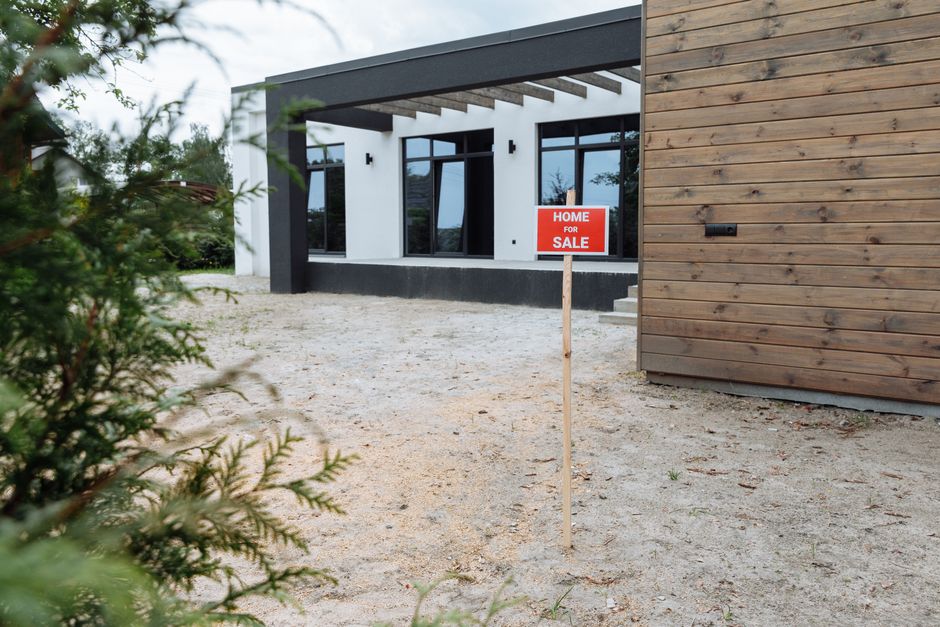
A conventional single-panel 200-inch TV is not what the available sources describe. A 200-inch image is achievable with a modular MicroLED wall or a projector and screen. A 16:9 image is about 174 inches wide by 98 inches high, before clearance; costs vary widely, with one reported 219-inch residential MicroLED installation priced at $800,000.
Does a 200-inch TV exist as one conventional television panel?
The available sources describe 200-inch viewing as a custom display installation or a projected image, not as a conventional single-panel retail television. That distinction explains why searches for “200-inch TV” can return smaller retail sets: a product result may be the largest standard TV a retailer sells, while a 200-inch image usually comes from a different kind of system.
There are seven practical routes to this size: modular MicroLED, another custom LED wall, a long-throw projector, an ultra-short-throw projector, a commercial display installation, a projector paired with a fixed screen, or a projector paired with a screen designed for the room. These options do not describe seven standard televisions. They are ways to assemble a very large viewing surface, with different requirements for the display hardware, image surface, room, and installation.
To tell what a listing means, check whether it describes one physical panel, modular display cabinets assembled on site, or a projector image falling on a separate screen. A projector’s image size is not the size of its chassis; a modular wall’s diagonal is not proof that it is a single-piece consumer TV. For a retail set that may fit a home, see Large Screen TV: Choose the Right Size and Check Fit.
How much does a 200-inch TV or MicroLED wall cost, including installation?
There is no single price for a 200-inch setup in the supplied sources. The clearest residential example is a 219-inch Samsung The Wall installation that CE Pro reported at a retail price of $800,000; the integrator said installation took about three days. That is one project’s reported price, not a quote for every 200-inch wall.
The final cost depends on which route is chosen and what the project includes. A useful estimate separates the display or projector from the rest of the work instead of treating the diagonal as a retail price.
| Cost component | Why to include it |
|---|---|
| Display or projector | The core equipment differs substantially between a modular LED wall and projection. |
| Screen | A projector needs an image surface; the selected screen is part of the system. |
| Processor | A custom display installation can require processing hardware as part of the image system. |
| Mounting and installation | Large equipment needs a planned mounting and deployment process. |
| Room preparation | Power, access, sound placement, and room conditions affect the work required. |
The sources do not provide a universal price list for these components or a general installation quote for a 200-inch projector setup. The $800,000 reported MicroLED case gives a concrete scale for one residential project, while a projector should be priced as a full installation, not as a projector alone. Samsung notes that The Wall needs no projection distance and is viewable in daylight because of its high brightness, which can change room planning compared with projection.
How big is a 200-inch 16:9 screen in width and height?
A 200-inch 16:9 image is approximately 174 inches wide and 98 inches high, according to Sony’s home cinema projector brochure. Those dimensions describe the image area, not the full wall, frame, or clearance around installed equipment.
The width is the key planning measure for seating and sound. THX recommends a 36-degree horizontal viewing angle from the farthest seat in a cinema auditorium. Applied to a screen about 174 inches wide, that angle corresponds to roughly 22.6 feet from the screen to the farthest seat. THX also notes that screen size affects left and right speaker placement and room acoustics.
Before choosing equipment, check the space against a short room-fit list:
- Wall dimensions: Allow for the image’s width and height, then add frame and installation clearance.
- Viewing distance: Compare the farthest seat with the THX angle-based reference.
- Ambient light: Projection and a high-brightness modular LED wall do not have the same light conditions.
- Sound placement: A very wide screen can affect left and right speaker positions and room acoustics.
- Power and access: Confirm the planned installation can be powered and that components can reach their destination.
The access check matters as much as the wall measurement. The sources do not give a standard doorway or power specification for every 200-inch system, so those details must be confirmed against the selected equipment and installation plan.
Can Samsung The Wall or another MicroLED display be configured to 200 inches?
Yes. Samsung describes The Wall as a modular MicroLED display that can be customized in size and shape, rather than a single conventional panel. Its custom-install brochure says it can be sized as large as desired in 4K or up to 292 inches in 8K, placing a 200-inch configuration within its stated range.
This is a custom-build route. Samsung says The Wall requires no projection distance and is viewable in daylight because of its high brightness. The brochure rates the LEDs for 100,000 hours; at eight hours of use per day, Samsung equates that rating to nearly 35 years. These are manufacturer claims about the display, not a price or guarantee for a particular installation.
Another custom LED wall follows the same broad idea: a large display assembled for the project rather than one standard television panel. The available sources do not give prices or specifications for other custom LED systems, so a comparison requires a project-specific proposal. For a real residential reference, CE Pro’s reported 219-inch The Wall installation shows both the scale of the price and the need to account for deployment, rather than assuming a large screen arrives ready to plug in.
Projection offers a different path. Sony lists image sizes up to 300 inches, so a 200-inch image is within the brochure’s stated range. For one listed projector model, Sony specifies a projection distance of 236 to 511 inches for a 200-inch 16:9 image; that range is model-specific, not a rule for every projector. Sony also lists an ultra-short-throw option with 2,500 lumens, illustrating an alternative when a long projection path does not fit the room.
That leaves the practical comparison: modular LED makes the display itself the image surface, while projection separates the projector from the screen. The first avoids projection distance but can involve a major custom installation; the second can reach the same image size but needs a compatible screen and the correct throw arrangement. In either case, plan the full room and installation before comparing equipment prices.
Frequently Asked Questions
Would a projector or a modular LED display be better for a 200-inch home theater?
A projector creates the image on a screen and needs the right projection distance or a suitable ultra-short-throw setup. A modular LED wall creates the image on the display itself and Samsung says The Wall needs no projection distance and is viewable in daylight. The choice turns on room layout, ambient light, installation scope, and total cost.
How far away should seating be from a 200-inch screen?
THX’s 36-degree horizontal viewing-angle recommendation corresponds to a farthest-seat distance of roughly 22.6 feet for a 200-inch 16:9 screen about 174 inches wide. That is a planning reference, not a universal seating rule; room layout and viewing preference affect placement.
Can a normal living room support a 200-inch display?
It depends on the room. The image alone is about 174 inches wide and 98 inches high, and a projector also needs a model-appropriate projection path. Wall clearance, seating distance, ambient light, sound placement, power, and access for delivery and installation all affect fit.
Is there a 300-inch TV, and how does it compare with a 200-inch setup?
Sony lists projector image sizes up to 300 inches, so a 300-inch projected image is within the listed range. Samsung says The Wall can be configured up to 292 inches in 8K. These are projection and modular-display options, not evidence of a conventional single-panel 300-inch television.
Sources
- Samsung Business, The Wall Custom Install Brochure
- Sony, Home Cinema Projectors brochure and projection-distance specifications
- THX, What Is THX Certified Screen Placement?
- CE Pro, First Impressions of Samsung's The Wall Residential MicroLED: Big Performance for a Big Price Tag
Disclaimer: This article is for general information only and is not financial advice. It does not take your personal circumstances into account, and past performance does not predict future results. Speak to a licensed financial professional before making money decisions.
Is There a 120 Inch TV? Flat Panel or Laser Projector
Most 120-inch home screens use an ultra-short-throw projector and separate screen; 120-inch flat panels are rare and costly.

How Can I Use the MIND Diet for Brain Health Without Superfood Claims?
A practical, evidence-aware guide to MIND diet foods, serving targets, research limits, and avoiding superfood claims.

Should People With Arthritis Avoid Nightshade Vegetables?
Evidence on nightshades and arthritis is limited. Learn how to test a personal response without needlessly restricting vegetables.