Integrating Spaces: Effective Approaches for Multi-Purpose Property Development

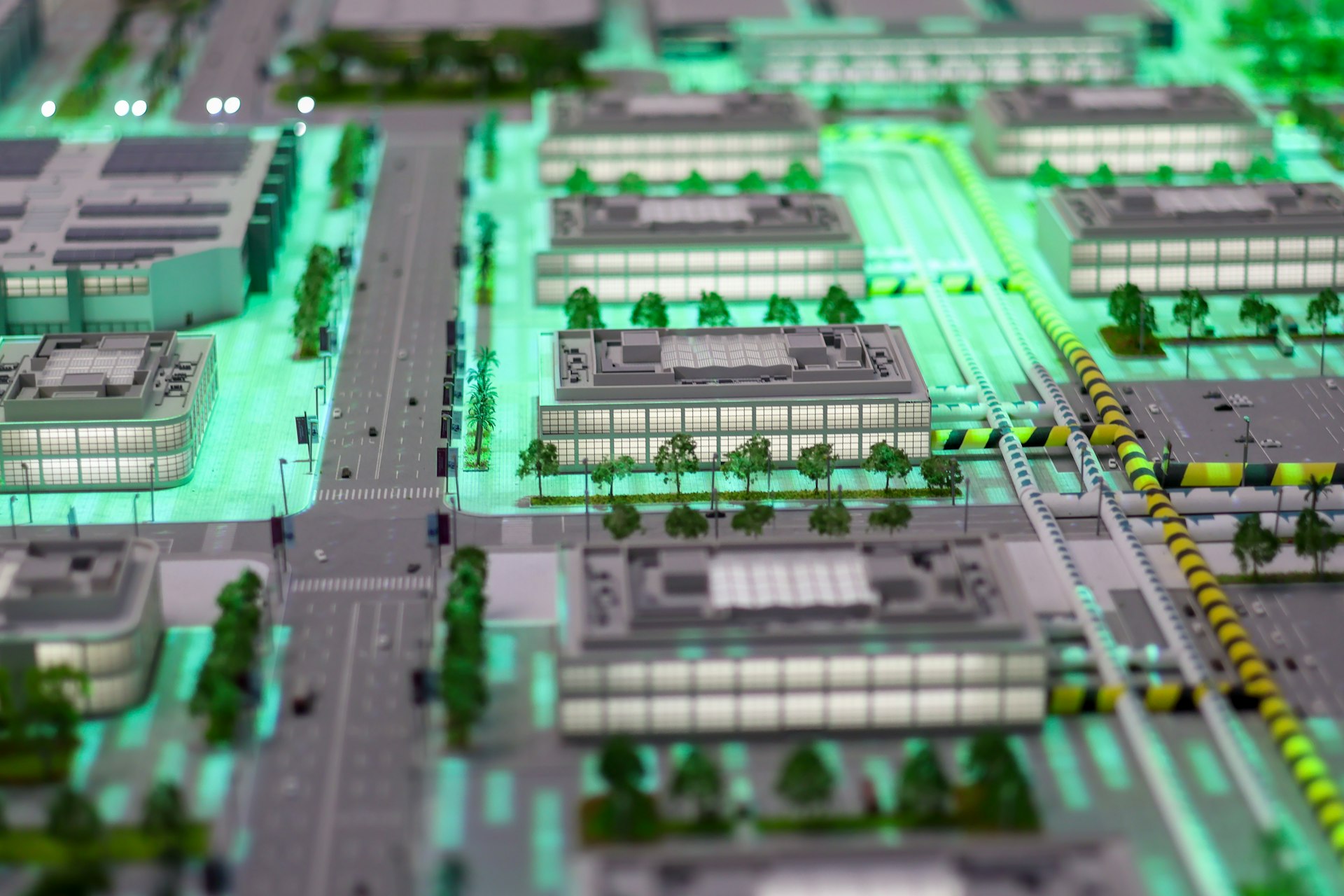
Photo by CHUTTERSNAP on Unsplash
The Evolution of Multi-Functional Property Development
Over the past two decades, the demand for spaces that serve multiple purposes has grown exponentially, driven by urbanization, remote work trends, and a desire for more walkable, connected communities. Unlike traditional single-use developments that separate residential, commercial, and retail spaces, modern integrated projects create ecosystems where residents can live, work, shop, and socialize within a single neighborhood or building complex. This approach not only reduces commute times but also fosters a sense of belonging, as shared public spaces become gathering points for diverse groups of people.
Aligning Development with Community Needs
A key first step in successful multi-purpose property projects is conducting thorough community outreach and needs assessments. Developers must engage with local residents, business owners, and municipal leaders to understand the specific gaps in the area-whether that’s a lack of affordable housing, co-working spaces, or family-friendly recreational areas. For example, a neighborhood with a high concentration of young professionals might benefit from a mix of studio apartments, boutique offices, and casual dining spots, while a suburban area could prioritize single-family homes alongside grocery stores and community centers. By tailoring the mix of spaces to the local population, developers can ensure their projects meet real, unmet needs rather than imposing a one-size-fits-all model.
Navigating Zoning and Regulatory Frameworks
Zoning laws and regulatory requirements are often the biggest hurdles to multi-purpose development. Many municipalities still have outdated zoning codes that restrict the combination of residential and commercial uses in the same area. Developers must work closely with local planning departments to advocate for flexible zoning ordinances or secure variances where necessary. This may involve presenting data on the economic and social benefits of the project, such as increased tax revenue, reduced traffic congestion, and job creation. In some cases, developers can partner with local governments to participate in public-private partnerships (PPPs) that streamline the approval process and share the costs of infrastructure improvements, such as new sidewalks or public transit access.
Design Principles for Cohesive Spaces
Effective design is critical to ensuring that multi-purpose spaces feel integrated rather than disjointed. One core principle is creating clear, accessible circulation paths that connect different areas of the development. For example, a central plaza or pedestrian walkway can link residential towers to retail shops and office spaces, making it easy for people to move between uses without relying on cars. Another important consideration is using consistent architectural elements-such as building materials, color palettes, and outdoor furniture-to create a unified aesthetic. Additionally, incorporating green spaces, such as rooftop gardens or pocket parks, can provide a respite from the hustle and bustle of daily life and enhance the overall quality of the environment for residents and visitors.

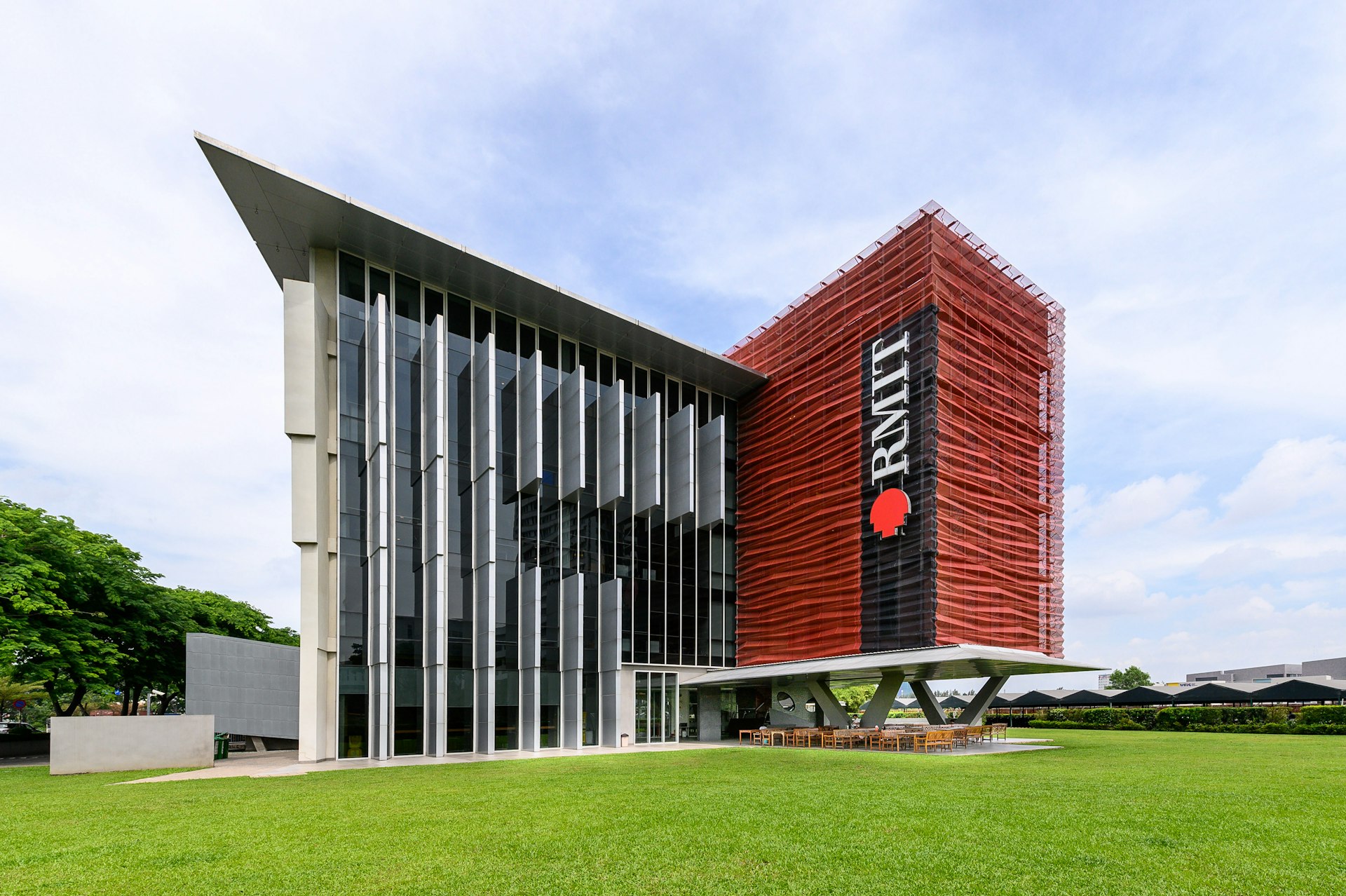
Photo by Erik Mclean on Unsplash
Ensuring Financial Viability
Multi-purpose developments often require significant upfront investment, so developers must carefully analyze the financial feasibility of their projects. This involves conducting detailed market research to determine rental rates for residential units, lease rates for commercial spaces, and projected foot traffic for retail outlets. Developers may also need to explore alternative financing options, such as tax increment financing (TIF) or low-interest loans from community development financial institutions (CDFIs). Another strategy is to phase the development, starting with the most profitable components-such as residential units-to generate cash flow that can fund later phases, such as retail or office spaces. By diversifying the revenue streams from different uses, developers can reduce their risk and ensure long-term financial stability.
Long-Term Management and Adaptability
Once a multi-purpose development is complete, effective management is essential to maintaining its success. This involves hiring a property management team with experience in managing mixed-use spaces, who can handle the unique needs of residential tenants, commercial tenants, and retail customers. Additionally, developers should design spaces with adaptability in mind, so they can be easily repurposed as community needs change. For example, a co-working space could be converted into a childcare center if the local population shifts to include more young families, or a retail store could be transformed into a community event space if foot traffic declines. By planning for flexibility, developers can ensure their projects remain relevant and valuable for decades to come.
As communities continue to evolve, multi-purpose property development will play an increasingly important role in creating sustainable, vibrant spaces that meet the needs of diverse populations. By focusing on community engagement, regulatory collaboration, thoughtful design, financial viability, and long-term adaptability, developers can create projects that not only generate returns on investment but also enhance the quality of life for everyone who uses them.