Top Global Real Estate Markets Tailored for Digital Nomad Lifestyles

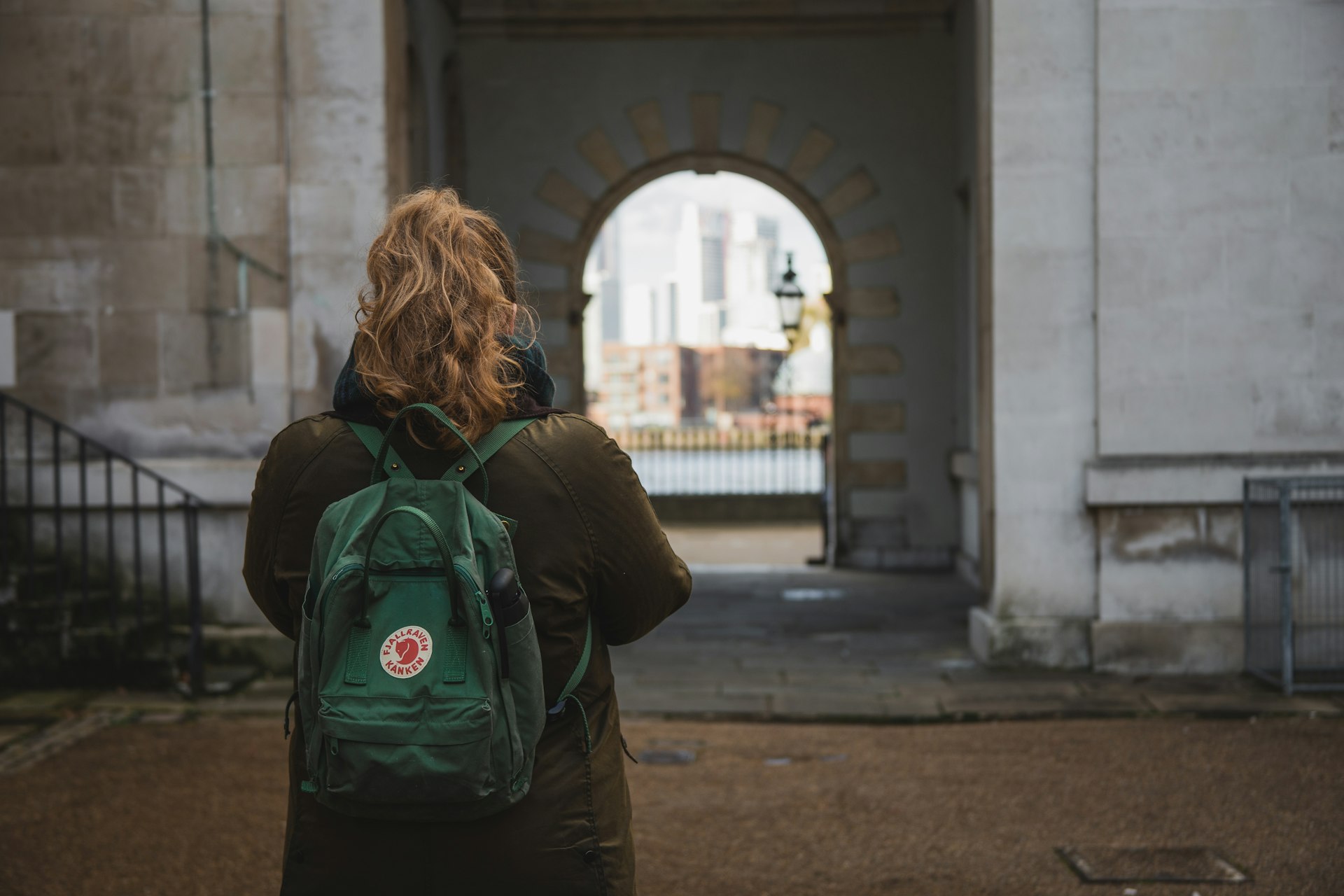
Photo by Nastia Petruk on Unsplash
Remote work has transformed the concept of “home” for millions, as digital nomads seek spaces that support both their professional goals and personal well-being. Real estate markets around the world have adapted to this growing demographic, offering a range of housing solutions that fit flexible work arrangements, from co-living spaces to long-term rental apartments. Each market has unique benefits and considerations, catering to different preferences and budgets.
Lisbon, Portugal
Lisbon has emerged as a top choice for digital nomads in recent years, thanks to its mild climate, rich cultural heritage, and affordable real estate options. Long-term rentals in central neighborhoods like Alfama or Graça typically range from €800 to €1,200 per month for a one-bedroom apartment, while co-living spaces can be found for as low as €500 per month, including utilities and high-speed internet. The city boasts a robust digital infrastructure, with most cafes and public spaces offering free, reliable Wi-Fi. Additionally, Portugal’s Non-Habitual Resident (NHR) tax regime provides significant tax benefits for remote workers, making it even more attractive for long-term stays. Local communities for digital nomads are thriving, with regular meetups and co-working spaces like Second Home and Cowork Lisboa fostering connections among remote professionals. The city’s walkable streets, historic landmarks, and proximity to the coast further enhance its appeal, allowing nomads to explore new areas during their free time without sacrificing productivity.
Chiang Mai, Thailand
Chiang Mai, in northern Thailand, has long been a staple in the digital nomad community, known for its low cost of living and laid-back atmosphere. Real estate options here are diverse, from budget-friendly guesthouses starting at $200 per month to luxury serviced apartments costing around $1,000 per month. Many long-term rentals include utilities and access to shared workspaces, which are abundant throughout the city. Internet speeds in Chiang Mai are consistently high, with most providers offering fiber-optic connections. The city also offers a wide range of cultural activities, from temple visits to cooking classes, allowing nomads to immerse themselves in local life while maintaining productivity. However, it’s important to note that visa regulations for long-term stays in Thailand require careful planning, with options like the Digital Nomad Visa (launched in 2022) offering a path to extended residency for eligible workers. The visa allows stays of up to five years and includes benefits like access to healthcare and banking services.
Medellin, Colombia
Medellin has undergone a remarkable transformation in recent decades, becoming a hub for digital nomads seeking a mix of affordability and urban amenities. Real estate prices in the city are relatively low compared to other major global destinations, with one-bedroom apartments in popular neighborhoods like El Poblado costing between $400 and $800 per month. Co-living spaces are also widely available, often including access to co-working facilities and community events. The city’s digital infrastructure is well-developed, with high-speed internet accessible in most areas. Medellin’s mild climate, known as the “City of Eternal Spring,” adds to its appeal, as does its vibrant nightlife and cultural scene. The Colombian government has also introduced initiatives to attract remote workers, such as the Special Visa for Remote Workers, which allows eligible individuals to stay in the country for up to two years. The visa requires proof of a minimum monthly income and health insurance, making it accessible to many remote professionals.
Austin, Texas, USA
For digital nomads who prefer a North American setting, Austin, Texas, offers a dynamic mix of tech culture and outdoor recreation. Real estate prices in Austin are higher than in some international destinations, but still competitive compared to other major U.S. cities. Long-term rentals in neighborhoods like East Austin or South Congress range from $1,500 to $2,500 per month for a one-bedroom apartment. The city has a thriving tech ecosystem, with numerous co-working spaces like WeWork and Capital Factory, as well as a strong community of remote professionals. Austin’s internet infrastructure is top-tier, with fiber-optic connections available throughout most of the city. Additionally, the city’s live music scene, food trucks, and outdoor activities like hiking and kayaking make it an attractive place to balance work and play. However, it’s important to consider the cost of living and visa requirements for international nomads looking to stay in the U.S. long-term. The O-1 visa for individuals with extraordinary ability or the E-2 visa for investors are potential options, but they have specific eligibility criteria.
Bali, Indonesia
Bali is another popular destination for digital nomads, known for its stunning natural beauty and relaxed lifestyle. Real estate options in Bali vary widely depending on the location, with budget-friendly villas in Ubud starting at $300 per month and luxury beachfront properties costing several thousand dollars per month. Many long-term rentals include access to shared workspaces, which are common in areas like Canggu and Seminyak. Internet speeds in Bali are generally reliable, though some more remote areas may have slower connections. The island offers a range of wellness activities, from yoga retreats to surf lessons, allowing nomads to prioritize their well-being while working. However, visa regulations in Indonesia have become more stringent in recent years, with the introduction of the Digital Nomad Visa in 2023 offering a solution for eligible workers looking to stay for up to five years. The visa requires proof of a minimum monthly income and health insurance, and it allows nomads to bring their family members with them.
Key Considerations for Digital Nomad Real Estate
When choosing a real estate market as a digital nomad, there are several key factors to consider. First, internet reliability is non-negotiable, as it directly impacts productivity. It’s important to research local internet providers and read reviews from other nomads before committing to a rental. Second, visa and residency requirements should be thoroughly understood, as different countries have varying rules for remote workers. Some countries offer specific digital nomad visas, while others require nomads to use tourist visas or other types of residency permits. Third, cost of living is a major consideration, as it can vary significantly from one market to another. It’s important to factor in not just rent, but also utilities, food, transportation, and healthcare costs. Finally, community and social opportunities are important for maintaining a healthy work-life balance, so it’s worth looking for markets with active nomad communities and co-working spaces. These spaces not only provide a dedicated work environment but also offer opportunities to network with other remote professionals and participate in social events.
As the digital nomad lifestyle continues to grow, more real estate markets around the world are adapting to meet the needs of this demographic. Whether you prefer a bustling city or a quiet beach town, there are options available that can support your remote work goals while allowing you to explore new cultures and experiences. Taking the time to research and compare different markets can help you find the perfect home base for your digital nomad journey, ensuring that you have the resources and support you need to thrive both professionally and personally.

Photo by Rafael Peier on Unsplash