Transforming Underused Spaces: Reimagining Built Environments for Modern Needs

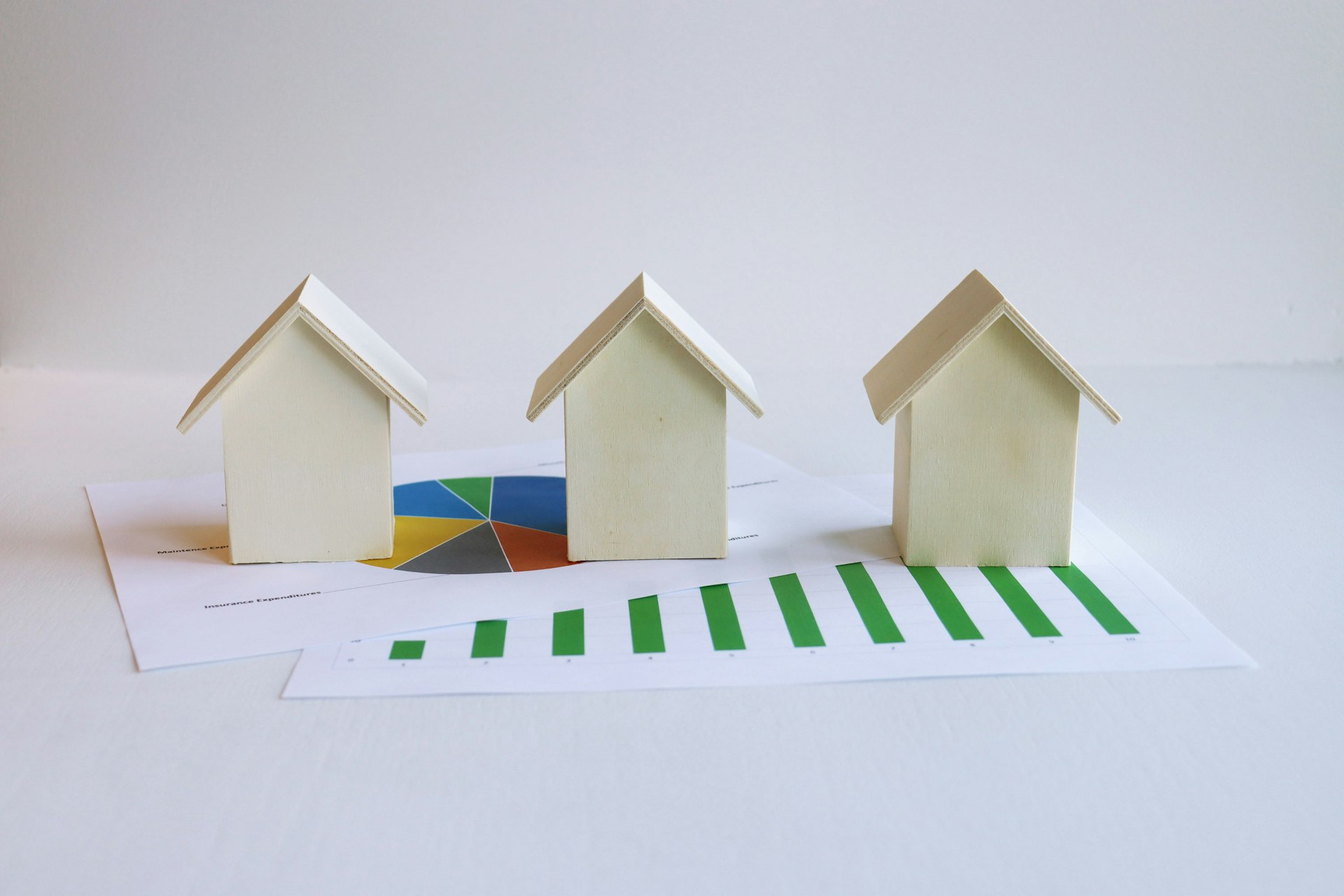
Photo by Structural Photography on Unsplash
Introduction
Urban landscapes are constantly evolving, and as consumer habits, work patterns, and community needs shift, many commercial properties that once anchored neighborhoods find themselves empty. From sprawling downtown department stores that closed amid the rise of e-commerce to industrial warehouses left behind by shifting supply chains, these spaces often become blights on their communities or face the wrecking ball. However, a thoughtful approach to repurposing these structures offers a way to breathe new life into them while addressing key urban challenges.
Preserving Architectural Heritage
One of the most significant advantages of repurposing existing commercial buildings is the ability to preserve architectural heritage. Many older commercial properties feature unique design elements-ornate facades, high ceilings, or handcrafted details-that are difficult or expensive to replicate in new construction. For example, the former Marshall Field’s flagship store in Chicago, built in 1902, was repurposed into a mixed-use space that includes offices, retail, and a food hall. By retaining its iconic clock tower and historic interior features, the project preserved a piece of the city’s identity while creating a modern destination.
Beyond aesthetic value, preserving these structures also helps maintain the character of neighborhoods. Longtime residents often have emotional ties to these spaces, and repurposing them instead of demolishing them can foster a sense of continuity and pride within the community.
Sustainability and Environmental Benefits
Demolishing a commercial building generates massive amounts of waste-on average, a single commercial demolition can produce tens of thousands of tons of concrete, steel, and other materials that end up in landfills. Adaptive reuse eliminates much of this waste, reducing the environmental impact of construction projects. Additionally, repurposing existing structures requires less energy than building from scratch. A 2021 study by the National Trust for Historic Preservation found that adaptive reuse projects use 30% less energy over their lifetime compared to new construction of similar size and function.
Adaptive reuse also reduces the need for new land development, helping to curb urban sprawl. By utilizing existing infrastructure, communities can make the most of already developed areas, preserving green spaces and reducing the carbon footprint associated with extending roads, utilities, and other services to new locations.
Economic Impact on Communities
Repurposing commercial properties can have a profound economic impact on local communities. Vacant buildings often drag down property values in surrounding areas, while repurposed spaces attract new businesses, residents, and visitors. For instance, the Ponce City Market in Atlanta, a former Sears warehouse built in 1926, was transformed into a mixed-use development with retail, offices, apartments, and a food hall. Since its opening in 2014, the project has become a major tourist attraction, generating millions in annual revenue and creating thousands of jobs for local residents.
Adaptive reuse projects also tend to be more cost-effective than new construction in many cases. While structural modifications may be necessary, the existing foundation, framing, and utilities can often be repurposed, reducing overall project costs. This makes it easier for small businesses and community organizations to participate in revitalization efforts, ensuring that the benefits are shared across a broader segment of the population.
Challenges to Adaptive Reuse
Despite its many benefits, adaptive reuse is not without challenges. Regulatory hurdles are a common barrier, as many zoning laws and building codes were designed for specific uses and may not accommodate repurposed spaces. For example, converting a warehouse into residential units may require changes to fire safety codes, accessibility standards, and parking requirements, which can be time-consuming and expensive.

Photo by Alex Reynolds on Unsplash
Structural issues can also pose challenges. Older commercial buildings may have outdated electrical systems, plumbing, or HVAC systems that need to be replaced or upgraded. Additionally, some structures may have environmental contaminants, such as asbestos or lead paint, that must be removed before repurposing can begin. These issues can add significant costs and delays to projects.
Case Study: The Fulton Market District in Chicago
The Fulton Market District in Chicago is a prime example of how adaptive reuse can transform an entire neighborhood. Once a bustling meatpacking district, the area fell into decline in the late 20th century as many meatpacking companies moved to the suburbs. In the early 2000s, developers began repurposing the district’s old warehouses and industrial buildings into art galleries, restaurants, and office spaces.
Today, the Fulton Market District is one of Chicago’s most vibrant neighborhoods, home to tech companies, Michelin-starred restaurants, and luxury apartments. The adaptive reuse of its historic buildings has preserved the district’s industrial character while creating a dynamic, mixed-use community that attracts people from across the city.
Conclusion
Adaptive reuse offers a sustainable, cost-effective, and community-focused way to address the challenge of vacant commercial properties. By preserving architectural heritage, reducing waste, and stimulating economic growth, this approach helps create urban landscapes that are both functional and meaningful. While challenges remain, the success of projects around the world demonstrates that with careful planning and collaboration, repurposing existing structures can unlock new potential for communities everywhere. As cities continue to evolve, adaptive reuse will likely play an increasingly important role in shaping the future of urban development.