
CDL License Guide: Training to Trucking Career
I have a deep respect for career paths that come with actual steps. Not vibes. Not a vague promise that if you network harder and drink more coffee, a better life will appear. A CDL career, blessedly, has a clipboard quality to it: permit, medical card, training, skills test, first job. There are still potholes, because of course there are. But at least they are labeled potholes.
If you are looking at trucking in 2026, this guide walks you through the whole road: what CDL training costs, how company-sponsored programs work, what first-year drivers can realistically expect to earn, whether a DUI or criminal record ends the conversation, and how to think about local, regional, and over-the-road work without pretending every schedule is secretly glamorous.
Step 1: Know What a CDL Is and Whether You Qualify
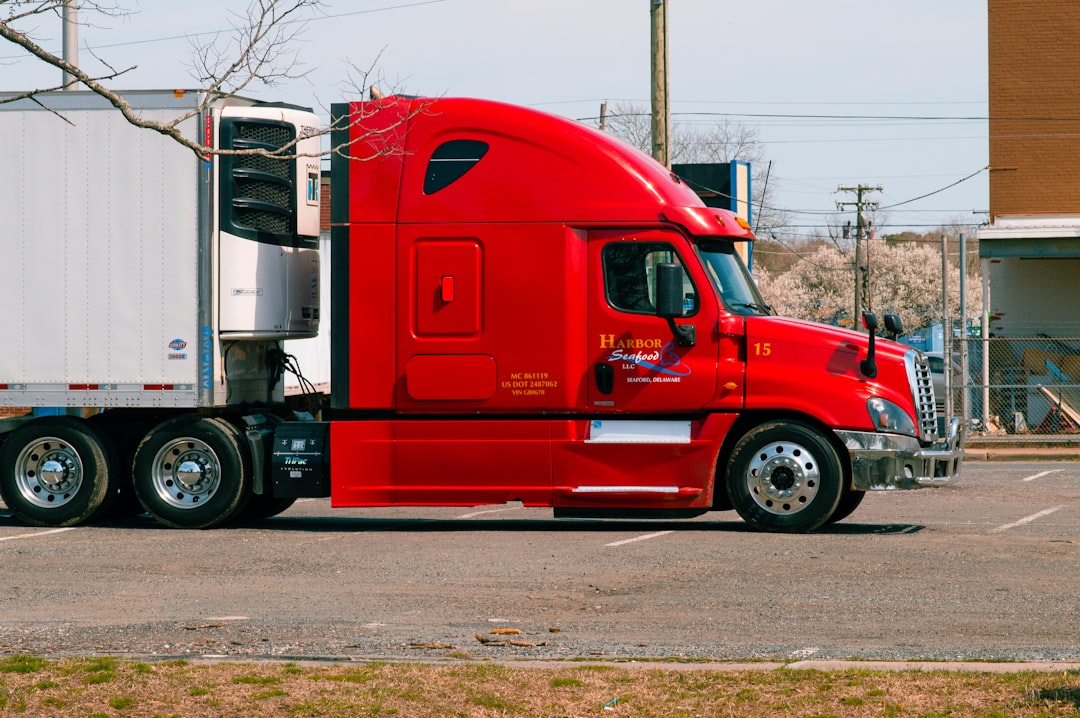
For most long-haul tractor-trailer jobs, you are looking at a Class A CDL. Smart Trucking explains that a Class A license generally covers combination vehicles with a gross vehicle weight rating of 26,001 pounds or more, when the trailer is over 10,000 pounds. Translation: the big rigs, not your uncle's pickup with ambitions.
The first gate is eligibility. You usually need to be at least 18 to drive commercially within your own state and 21 or older for interstate driving. You also need a valid driver’s license, proof of identity and residency, and the ability to pass a Department of Transportation medical exam. According to the Federal Motor Carrier Safety Administration, states issue CDLs, but they must meet federal minimum standards, including knowledge and skills testing.
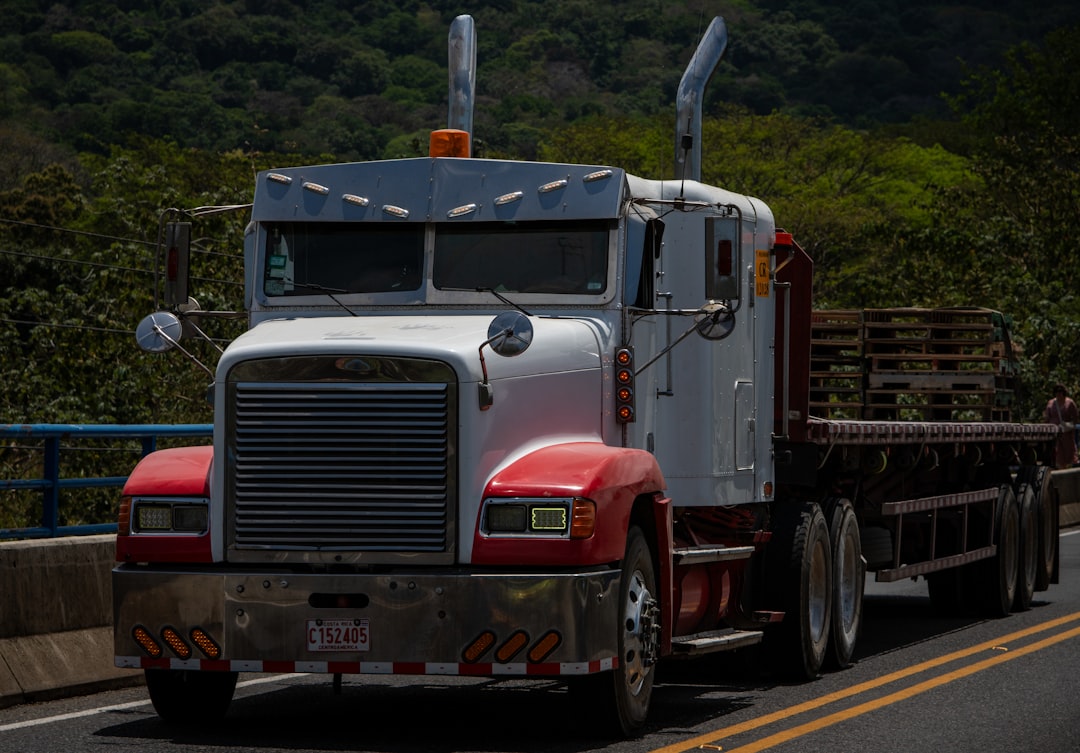
You will also need a DOT medical card, which generally requires a physical exam every two years. Drivers are subject to drug and alcohol testing, including pre-employment and random testing. This is not the part of the process where anyone benefits from creative optimism. Be plain with yourself before you spend money.
Step 2: Get Your Permit, Choose Training, and Pass the Skills Test
The CDL path is not mysterious, although people online can make it sound like you need a sherpa and three laminated binders. Smart Trucking’s step-by-step CDL guide lays it out plainly: check eligibility, handle disqualifiers, get your DOT medical card, obtain a commercial learner’s permit, complete training, pass the CDL skills test, add endorsements if needed, and apply for jobs.
- Get your DOT medical card. Schedule the exam with a certified medical examiner before you get too far into the process.
- Study for the written tests. Your state CDL manual is your new slightly boring best friend.
- Get your commercial learner’s permit. You must pass knowledge tests before you can practice in a commercial vehicle.
- Complete CDL training. This may be through a private school, community college, or trucking company program.
- Pass the skills test. Expect a pre-trip inspection, basic control maneuvers, and a road test.
- Apply for entry-level jobs. Many new drivers start with carriers that have structured training or mentoring programs.
How long does it take? The Bureau of Labor Statistics describes heavy and tractor-trailer truck driving as an occupation where a postsecondary nondegree award is typical and notes that professional truck driving programs can take 3 to 6 months. Some CDL schools move faster. Smart Trucking’s CDL school list includes programs that run about 4 to 11 weeks, depending on the school, schedule, and whether housing or job-placement partnerships are included.
What CDL Training Costs and How “Free” Company Training Works
Private CDL school can cost a few thousand dollars, and this is where many people pause, stare at the number, and suddenly become very interested in making spreadsheets. Smart Trucking’s CDL school examples range from about $1,877 at Caldwell Community College in North Carolina to around $5,500 at Butler Tech in Ohio, with other programs around $4,800 including housing. Community colleges may be slower-paced, but they can offer more one-on-one attention and sometimes a lower bill.
Can you get a CDL for free through a trucking company? Sometimes, yes in the practical sense, but not in the fairy-godmother sense. Company-sponsored CDL training usually means little or no upfront tuition, followed by a work commitment. Smart Trucking’s paid CDL training guide says, "The best part of getting your CDL training this way is there is little or no money upfront to get started. However, there is a strict commitment to the trucking company that trains you at the end of the training time."
Companies commonly discussed for sponsored or paid CDL training include Swift, Schneider, Prime, CR England, CRST, Knight, Roehl, Maverick, and Stevens Transport. The catch, because there is always a catch wearing a reflective vest, is the contract. Many programs expect you to drive for that carrier for about a year. If you leave early, you may owe some or all of the training cost.
My practical take: if you have cash, grants, workforce funding, or a community college option, compare that against company training before signing. If you need a low-upfront path, company-sponsored training can be a real door. Just read the repayment terms like the document is mildly suspicious of you.
First-Year Pay, Job Outlook, and Whether Trucking Is Good in 2026
Let’s talk money without putting a shiny brochure filter over it. The BLS Occupational Outlook Handbook reports that the median annual wage for heavy and tractor-trailer truck drivers was $57,440 in May 2024, or $27.62 per hour. The lowest 10 percent earned less than $38,640, while the highest 10 percent earned more than $78,800.
"The median annual wage for heavy and tractor-trailer truck drivers was $57,440 in May 2024. Employment is projected to grow 4 percent from 2024 to 2034, about as fast as the average for all occupations."
For first-year drivers, pay varies widely because trucking pay is not one tidy salary box. Smart Trucking’s salary guide notes that pay rates differ by niche, company, state, and job description. Many over-the-road drivers are paid by the mile, while local drivers are more often paid hourly. Bonuses may cover safety, pickups, deliveries, border crossings, or performance. Owner-operators can gross more, but they also carry fuel, insurance, maintenance, truck payments, and the thrilling little administrative circus of running a business.
Is truck driving a good career in 2026? It can be, if you are choosing it with clear eyes. BLS counted about 2,235,100 heavy and tractor-trailer truck driving jobs in 2024 and projected roughly 237,600 openings per year from 2024 to 2034. That is not a guarantee that every starter job will be dreamy. It is a sign that freight still needs people, and reliable drivers still matter.
For broader industry context, the American Transportation Research Institute studies issues like operational costs, driver shortage and retention, safety technology, congestion, and driver health. In other words, trucking is not a sleepy backwater. It is a large, data-watched industry wrestling with costs, safety, technology, and workforce turnover all at once. Very modern. Very expensive. Very much still moving.
Local vs Regional vs OTR: Home Time, Lifestyle, and Pay
This is the section where dreams meet calendars. Do truck drivers get home every day? Some do. Many do not. It depends on the job type.
- Local trucking: You usually work within a city or metro area and may get home daily. Pay is often hourly. The tradeoff is that local jobs can involve more loading docks, traffic, tight turns, and customer interaction. You are not just driving; you are performing a small ballet with pallets and patience.
- Regional trucking: You drive within a larger region and may be home weekly or several times a week, depending on the route. This can be a middle path for drivers who want mileage without disappearing for long stretches.
- OTR trucking: Over-the-road drivers travel across states and may be out for weeks. Pay is commonly mileage-based, and the lifestyle asks more from your family, sleep habits, and snack-management system than anyone should pretend.
The FMCSA’s hours-of-service rules also shape the workday. Under federal rules, property-carrying drivers are generally limited to 11 hours of driving after 10 consecutive hours off duty, within a 14-hour on-duty window. There are also weekly limits, commonly 60 hours in 7 days or 70 hours in 8 days, with restart provisions. These rules exist for safety, but they also mean your day is ruled by clocks, parking availability, weather, and dispatch. A glamorous quartet.
If you want home-daily work immediately, know that some local employers prefer experienced drivers. Not always, but often. Many new CDL holders start OTR or regional, build a safe record, then move toward local fuel, food service, construction, LTL, waste hauling, or dedicated routes.
Records, Endorsements, and Building a Long-Term Career
Can you be a truck driver with a DUI or criminal record? Sometimes, yes. Sometimes, not right away. The honest answer is carrier-specific and offense-specific. Smart Trucking’s guide to trucking companies that hire people with felony records says the short answer is that trucking can still be possible, and it lists companies that may consider applicants case by case, including JB Hunt, Schneider, Prime, Swift, Werner, US Xpress, and Stevens Transport.
The details matter. Some carriers require 5, 7, or 10 years since a conviction. DUI or DWI convictions may require waiting periods, and serious offenses involving violence, sex offenses, or drug manufacturing and sales can create much stricter barriers. FMCSA rules also allow a CDL to be suspended for certain DUI convictions or felonies involving a motor vehicle. If your record is complicated, contact recruiters directly and ask about written hiring standards before paying for school. This is not being difficult; this is being financially awake.
Once you are in, trucking has more ladders than people assume. A driver can move from entry-level OTR into dedicated routes, tanker, flatbed, hazmat, oversized loads, training, dispatch, safety, fleet management, or owner-operator work. Each step tends to require a cleaner safety record, more reliability, and sometimes endorsements like tanker, hazmat, or doubles/triples.
The career path can look like this: first CDL job, one year of safe driving, better route or niche, trainer role, specialized freight, dispatcher or fleet manager, then maybe owner-operator if you genuinely want to run a business. I say "genuinely" because owning a truck is not just driving with extra confidence. It is invoices, maintenance reserves, insurance, taxes, fuel prices, and a dashboard light that chooses drama at 6:13 a.m.
Conclusion: The Sensible Road Into Trucking
The cleanest path into trucking is not the fanciest one. Confirm you qualify, get your DOT medical card, earn your permit, choose training you can afford, pass the skills test, and take the first job that builds safe experience without trapping you in terms you did not understand. That is the whole unromantic, useful recipe.
If you are weighing CDL school against company-sponsored training, compare total cost, contract length, repayment rules, job placement, and home-time expectations. If you have a record, ask carriers directly before you spend money. And if you are deciding between local, regional, and OTR, be honest about the life you are willing to live, not the life a recruiting page made look tidy. Trucking can be a strong career in 2026, but the best drivers treat it like a profession from day one. Start with the permit. Read the contract. Keep the record clean. Then go build the thing.