
Maintenance Technician Career Guide
I once spent an entire Saturday trying to diagnose a dryer that had, in my very confident opinion, developed a personal grudge against me. I had a screwdriver, a flashlight, three tabs open, and the kind of confidence that arrives five minutes before humility. A real maintenance technician would have found the lint-clogged vent, checked the thermal fuse, explained the issue without making the dryer feel accused, and been home before lunch.
That is the job in miniature: practical skill, calm troubleshooting, and the ability to move from electrical to plumbing to HVAC without treating each new problem like a Greek tragedy. If you are considering maintenance work, this guide covers the skills you need, how much the job pays, whether you need a degree, which certifications matter, how industries differ, and how the ladder can lead from technician to supervisor to facilities manager.
What Maintenance Technicians Actually Do
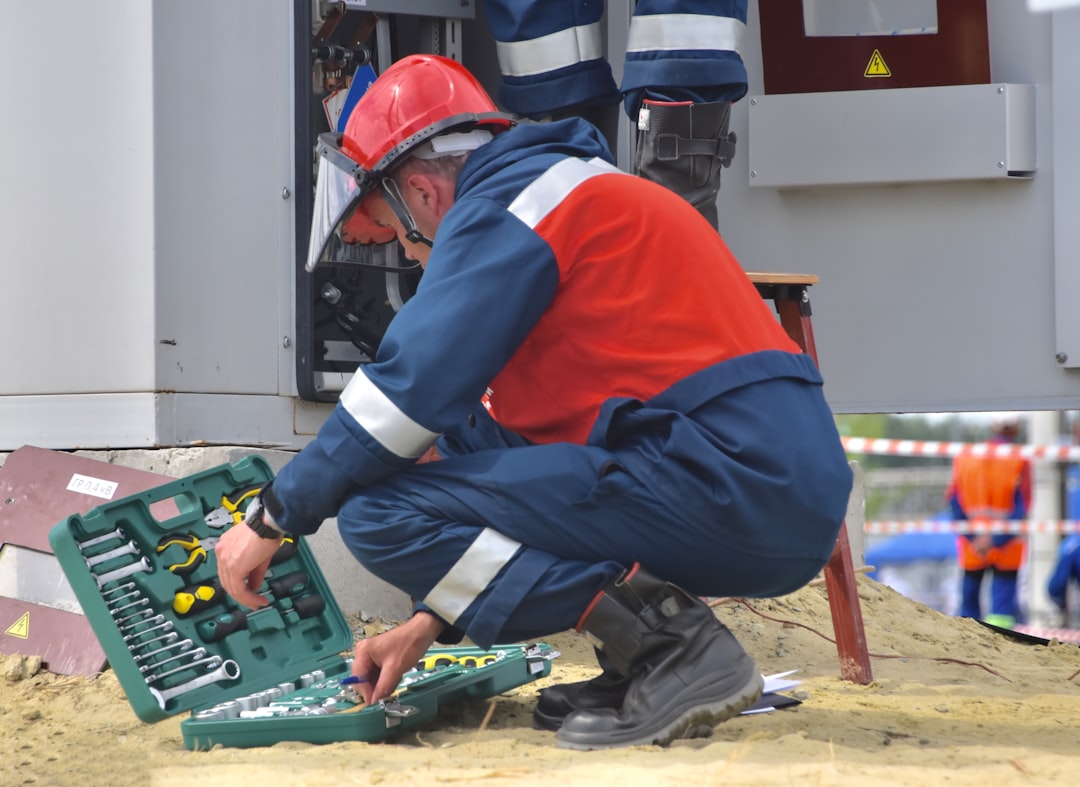
A maintenance technician keeps buildings, equipment, and systems working. That can mean repairing an apartment dishwasher, replacing belts on industrial machinery, troubleshooting a hospital air handler, painting a unit between tenants, checking pumps, reading meters, resetting controls, or telling a mysterious ceiling leak that its reign is over.
The role is broad by design. According to Indeed's employer guide for maintenance technicians, employers commonly look for experience with HVAC, plumbing, electrical wiring, and building system repairs. That does not mean you must arrive on day one as a walking tool catalog. It means the best technicians build a stack of useful, overlapping skills.
The core skills usually fall into a few buckets:
- Mechanical troubleshooting: understanding motors, belts, bearings, pumps, valves, doors, locks, appliances, and moving parts that behave beautifully until guests, tenants, or production schedules are involved.
- Electrical basics: using a multimeter, replacing fixtures, identifying unsafe wiring conditions, understanding circuits, and knowing when the work requires a licensed electrician.
- Plumbing fundamentals: clearing clogs, repairing leaks, replacing fixtures, maintaining pumps, and preventing water from auditioning for a larger role in the building.
- HVAC awareness: changing filters, checking thermostats, recognizing heating and cooling issues, and, with the right certification, handling refrigerant-related work.
- Documentation and communication: writing work orders, explaining repairs, ordering parts, prioritizing emergencies, and not leaving the next person to decode a note that says only “fixed-ish.”
The quiet superpower is judgment. A good technician knows the difference between a quick adjustment, a preventive repair, a safety hazard, and a problem that needs escalation. That judgment is what eventually gets you trusted with bigger systems, better shifts, and leadership roles.

Do You Need a Degree? Usually, No
Here is the pleasant surprise, especially if you have been staring down tuition costs with the expression of someone opening a utility bill in January: you usually do not need a college degree to become a maintenance technician.
Indeed's employer guide puts it plainly: “Maintenance technicians don't typically need formal education. Candidates can learn through on-the-job training, personal DIY experience and apprenticeships in construction trades.” A high school diploma or GED may be requested, and trade school can absolutely help, but the field remains more skill-tested than diploma-worshipping.
If you have no experience, the cleanest entry path is not to pretend you have rebuilt a boiler with your bare hands. Please do not do this. Instead, build evidence that you are useful, safe, teachable, and not afraid of real work.
- Start with an entry-level role: search for maintenance helper, groundskeeper, porter, make-ready technician, facilities assistant, or apartment maintenance trainee positions.
- Learn basic tools: practice safe use of drills, drivers, wrenches, pliers, ladders, voltage testers, and measuring tools. Not glamorous. Very effective.
- Take a safety course: OSHA 10 is a common first credential because it shows employers you understand jobsite hazards before anyone hands you keys to the mechanical room.
- Document hands-on projects: small repairs, volunteer work, school lab projects, appliance repair, carpentry, painting, or construction experience all count if you describe them clearly.
- Apply where training is normal: apartments, hotels, schools, warehouses, and property management companies often hire less-experienced people if the attitude and reliability are there.
Your first job may include a lot of filter changes, unit turns, painting, trash rooms, basic repairs, and being the person who finds the ladder no one returned. This is not failure. This is how you learn the building's nervous system.
How Much Maintenance Technicians Make
Maintenance technician pay is solidly middle-skill money, with real upside for people who specialize. The numbers vary by location, industry, overtime, union status, shift, and how allergic the employer is to paying market rates (a condition we can only hope is temporary).
PayScale reports median hourly pay of $23.88 per hour for maintenance technicians in 2026, with total pay ranging from about $35,000 to $74,000 per year when bonuses and profit sharing are included. PayScale also lists entry-level pay around $20.14 per hour, while experienced technicians at the 90th percentile reach about $34.30 per hour.
Indeed's salary data is similar, showing an average U.S. wage of about $24.13 per hour as of June 2026, plus average overtime pay of $6,750 per year. Indeed notes that its figures are based on more than 156,000 job postings and salary reports over the previous 36 months, which is a useful reminder that overtime can be a meaningful part of the paycheck.
The fastest way to raise your earning ceiling is to move beyond general repair into systems that employers cannot afford to have down. PayScale identifies skills tied to higher pay, including programmable logic controllers, electronic troubleshooting, and systems troubleshooting. In plain English: the closer you are to keeping production lines, critical building systems, refrigeration, automation, or safety systems running, the more valuable you become.
Certifications That Actually Help
Certifications are not merit badges for a sash nobody asked you to wear. The good ones either make you legally eligible for certain work, prove safety knowledge, or signal that you can handle more complex systems. The less useful ones mostly decorate a resume. Choose accordingly.
EPA Section 608
If you want to work with HVAC or refrigeration equipment that involves refrigerants, this is the big one. The U.S. Environmental Protection Agency states that EPA regulations under Section 608 of the Clean Air Act require technicians who maintain, service, repair, or dispose of equipment that could release ozone-depleting refrigerants to be certified. This is not a nice-to-have. It is required by law for that work.
The EPA lists four certification categories: Core, Type I for small appliances, Type II for high-pressure appliances, and Type III for low-pressure appliances. Technicians earn certification through EPA-approved certifying organizations, not directly from the EPA.
OSHA 10 or OSHA 30
Maintenance can put you near electricity, ladders, chemicals, machinery, confined spaces, and construction activity, which is a rather full buffet of ways to have a bad afternoon. OSHA's Outreach Training Program offers 10-hour and 30-hour construction safety training covering topics such as fall protection, electrical safety, struck-by hazards, and caught-in or between hazards. OSHA cards are widely recognized and especially useful for technicians working around construction, renovation, or industrial sites.
CMRT, NICET, Welding, Electrical, and HVAC Credentials
The Certified Maintenance & Reliability Technician credential from SMRP is often useful for industrial and reliability-focused roles. HVAC certificates, welding credentials, electrical certificates, and local licenses can also increase your options, depending on the work you want.
For technicians who move toward fire alarms, electrical power testing, water-based systems, or construction materials testing, NICET offers nationally recognized certification programs. NICET explains that its certification levels are designed by industry experts and “lay out a career path for advancement from entry to senior level responsibilities.” That structure matters if you want your resume to show progression instead of just years served.
Industrial, Residential, Hospital, and Apartment Maintenance
Maintenance technician is one title, but the work changes dramatically by setting. Same toolbox family, different household drama.
Apartment maintenance is fast, varied, and customer-facing. You might fix a garbage disposal, patch drywall, change locks, repair a toilet, turn an empty unit, and respond to an after-hours leak. The pace can be relentless, but it is one of the friendlier entry points because the work teaches many basic building systems quickly.
Residential or property maintenance often overlaps with apartment work but may include single-family rentals, condos, student housing, senior living, or smaller commercial properties. Communication matters here because tenants and owners want clear updates, not mystical muttering from behind the water heater.
Industrial maintenance is more equipment-heavy. Think conveyors, motors, pumps, pneumatics, hydraulics, sensors, PLCs, production machinery, lockout/tagout, preventive maintenance schedules, and downtime pressure. It can pay better because the work is more technical and downtime is expensive. If you enjoy systems troubleshooting and do not mind machinery with opinions, this path has strong earning potential.
Hospital and healthcare facilities maintenance adds another layer: critical systems, patient comfort, regulatory expectations, backup power, medical gases in some settings, infection control awareness, and equipment that cannot simply be “down until Monday.” It rewards calm, procedure-following technicians who understand that a small building issue can quickly become a patient-care issue.
If you are choosing your lane, ask what you want more of: variety and people, machinery and diagnostics, stable institutional systems, or a stepping-stone into facilities leadership. There is no morally superior answer. There is only the kind of work you can see yourself doing on a rainy Tuesday when everyone has decided their problem is the urgent one.
Career Ladder: From Tech to Facilities Manager
Yes, maintenance technicians can become facilities managers. In fact, the best facilities managers often have time in the field because they know what work orders look like when they stop being tidy little boxes on a screen and start being wet ceiling tiles at 7:40 a.m.
A common path looks like this:
- Maintenance technician: handles repairs, preventive maintenance, inspections, and work orders.
- Senior or lead technician: takes tougher calls, mentors newer techs, coordinates parts, and may help schedule work.
- Maintenance supervisor: manages technicians, vendors, budgets, preventive maintenance plans, safety practices, and response priorities.
- Maintenance manager or facilities manager: oversees building systems, capital projects, compliance, contracts, staffing, long-term planning, and the thousand tiny decisions that keep a site functional.
Indeed's employer guide notes that maintenance technicians may report to senior technicians, maintenance supervisors, maintenance managers, or facilities managers depending on the organization. That reporting chain is also a map. If you want to move up, study the person one level above you: what systems do they understand, what reports do they read, what decisions do they make, and what problems land on their desk because nobody else wants them?
To prepare for management, build skills beyond repair work: budgeting, vendor coordination, work order software, preventive maintenance planning, inventory control, safety documentation, communication, and basic project management. The wrench gets you started. The planning gets you promoted.
Is Maintenance Technician a Stable Career?
Maintenance is one of those careers with a wonderfully stubborn fact at its center: buildings keep breaking. Equipment wears out. Filters clog. Motors fail. Pipes leak. Tenants, patients, guests, employees, and production managers all prefer lights, heat, cooling, water, and working doors. This creates steady demand across housing, manufacturing, healthcare, education, hospitality, logistics, government, and commercial real estate.
The work is not effortless. It can involve on-call shifts, physical labor, hot mechanical rooms, cold rooftops, urgent repairs, and the occasional machine that seems to wait until Friday afternoon to reveal its deepest feelings. But for people who like practical problem-solving, visible results, and a career that does not require a four-year degree to begin, maintenance can be a very sturdy choice.
If you are starting from zero, aim for one entry-level job, one safety credential, and one technical specialty. If you already have experience, choose the systems that pay: HVAC with EPA certification, electrical troubleshooting, PLCs, industrial equipment, fire and life safety systems, or facilities operations. Then keep a record of what you fix, what you learn, and what downtime you prevent.
That record becomes your raise conversation, your promotion case, and your escape hatch from being “the person who can fix anything” but is still paid like the person who only changes filters. Start small, get useful, and keep climbing. The building will provide plenty of practice.