Buy a Used Dozer With a Clear Inspection and Pricing Plan
By Elizabeth Foster|September 8, 2026|7 min read
Buy a used dozer by treating the inspection, hours, and price as one decision: inspect the undercarriage, leaks, hydraulics, engine compartment, cab, and safety systems before bidding; do not use hours alone as a pass-or-fail rule; and set a model-specific budget from comparable sales, condition, location, and transport costs. In 2026, broad market signals are mixed enough that careful machine-level comparison matters more than waiting for a perfect moment.
A dozer can look wonderfully purposeful from twenty paces away, all blade and posture and very serious tracks. Then the inspection begins, which is where the romance should politely take a seat. The useful mindset is not to hunt for a flawless older machine (that creature may be hiding with the unicorns), but to identify wear, document it, and decide whether the price honestly accounts for it.
What should I inspect when buying a used dozer to avoid expensive repairs?
Inspect the undercarriage, fluid leaks, blade and ripper hardware, engine compartment, cab controls, and safety equipment in a systematic walk-around before you make an offer. Caterpillar's D6-D8 inspection guidance calls for this review at the beginning of every shift or every 10 operating hours, which is a rather useful reminder that these are not decorative details.
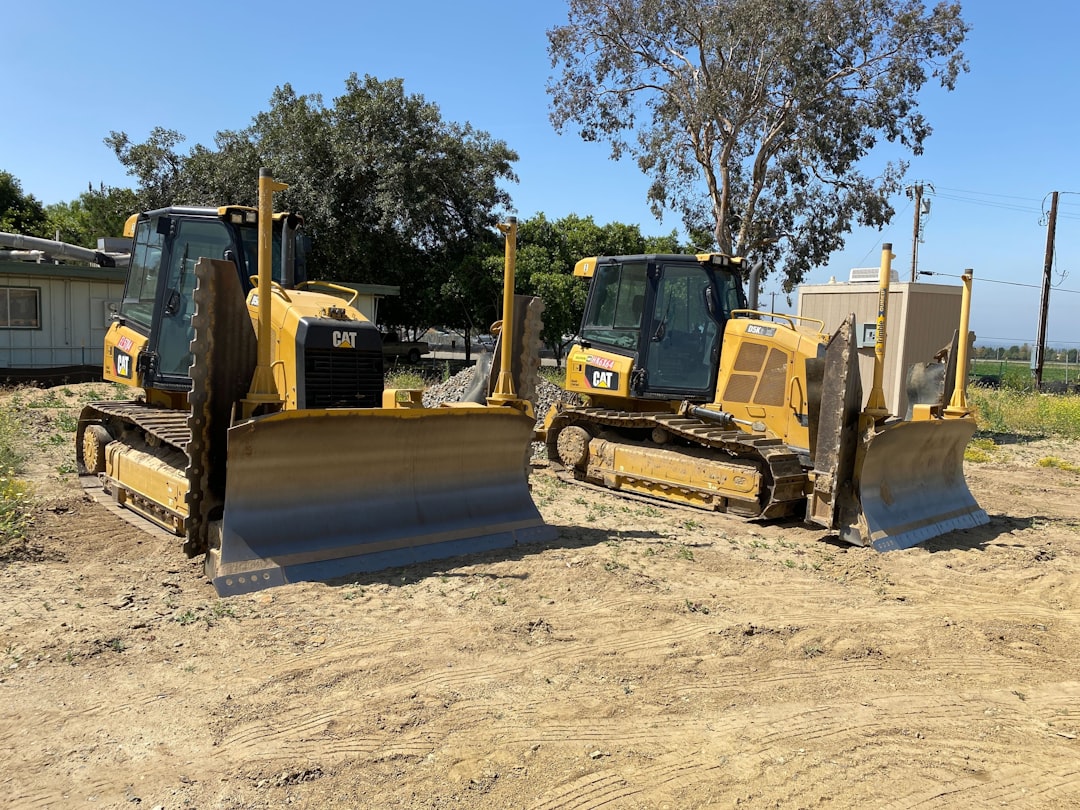
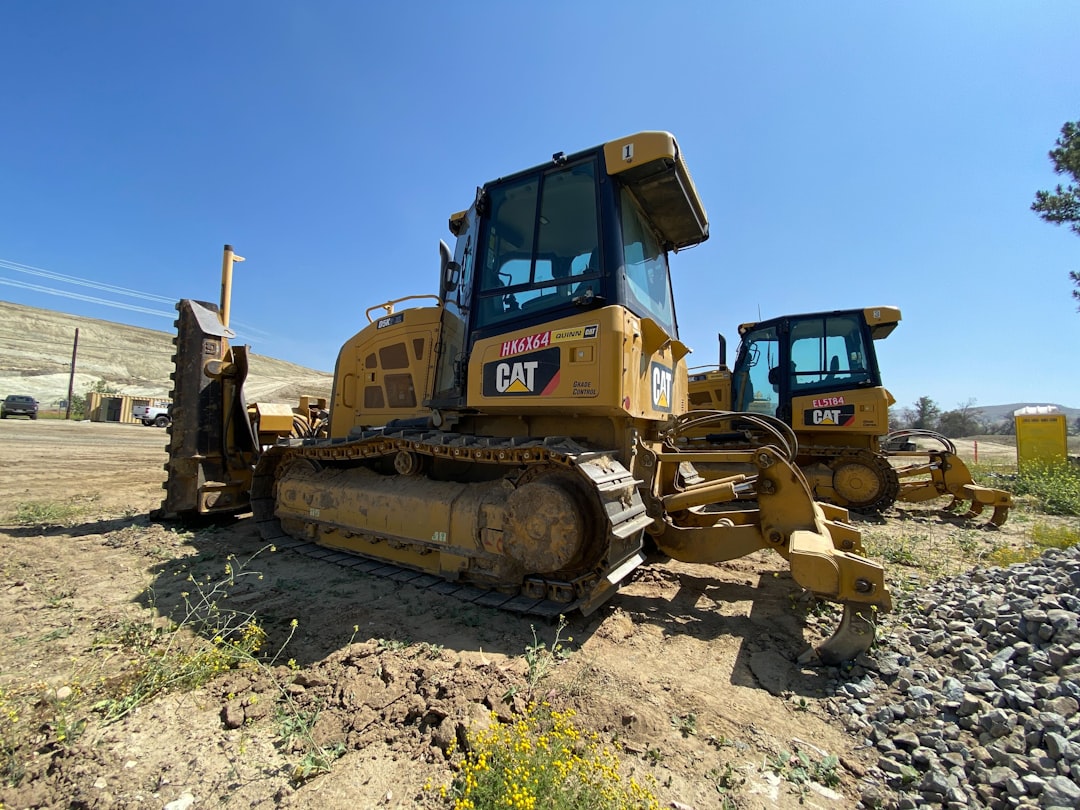
Start from the ground and move around the machine in one direction. According to Caterpillar's D6-D8 Safety & Maintenance Inspection, the ground-level check should include blade cutting edges and corner bits, tilt cylinders, push arms and trunnions, final-drive leaks, idlers, rollers, sprockets, track adjustment, duo-cone seals, and ripper components. Look for excessive wear, damage, leaks, missing or loose bolts, and debris.
"Inspect the area around the machine and under the machine. Look for loose bolts, trash buildup, oil leaks, coolant leaks, broken parts, or worn parts."
That quote is not glamorous, but it is the whole assignment. A machine with packed mud and debris may simply need cleaning; it may also make it harder to see the condition you are being asked to buy. Caterpillar recommends power washing regularly and removing rocks, mud, and debris caught between tracks promptly because buildup contributes to undercarriage wear. Its practical point is hard to improve upon: the longer the undercarriage lasts, the lower the total cost of ownership.
Next, open the engine compartment. Check fluid levels, air-filter restriction, radiator and aftercooler condition, fan, fuel filters and water separator, hoses, and belts. In the cab, inspect ROPS mounting, the seat belt, fire extinguisher inspection date, warning indicators, travel controls, horn, backup alarm, lights, and HVAC operation. A buyer moving into equipment work may also find the troubleshooting mindset in this site's Maintenance Technician Career Guide useful: the goal is to observe the system, not to wave away the warning because the paint is tidy.
Finally, record what you see. Ask for maintenance records, arrange an independent inspection where possible, and compare the inspector's observations with the listing. Ritchie Bros.' filing with the U.S. Securities and Exchange Commission says most online auction bidders visit the physical site or send a mechanic or third-party inspector before bidding. That is the sensible route, not a ceremonial extra.
How many hours on a used bulldozer is too many?
No number of operating hours is universally "too many" in the provided sources; the machine's condition, maintenance, undercarriage wear, working environment, and price must carry the decision together. Hours are a sorting tool, not a verdict. A neat hour meter cannot negotiate with a worn sprocket, a leaking final drive, or a cab safety system that does not work.
The supplied market guidance specifically says a 2026 budget should be paired with model-specific comparable sales, machine hours, undercarriage measurements, location, and transport costs. That sequencing matters. Use hours to compare like with like, then let the physical inspection answer whether those hours appear consistent with the machine's current condition.
There is another reason to resist a magic cutoff. Utah's 2026 business-personal-property guidance explains that appraisal depreciation includes physical wear and tear, functional obsolescence, and economic obsolescence, rather than just accounting depreciation. For heavy equipment, its percent-good factor is developed by comparing new cost with average retail and wholesale prices for each year. In plain English: age and hours matter, but market value is also shaped by condition and usefulness. The meter gets a vote. It does not get the gavel.
For the buyer, that means keeping a simple comparison sheet for every candidate: hours shown, inspection findings, undercarriage observations, maintenance documentation available, location, transport requirement, and asking or auction price. If a seller cannot provide enough information to make that comparison, public data does not supply a shortcut around the missing evidence.
Which dozer brands hold their resale value best?
The provided sources do not publish a brand-by-brand resale-value ranking for Caterpillar, Komatsu, Deere, Case, or any other dozer maker, so it would be guesswork to declare a winner. A sound resale decision is therefore model-specific: compare machines of similar age, hours, configuration, condition, and local availability, then account for measured undercarriage condition and delivery cost.
Caterpillar's materials provide a detailed D6-D8 inspection framework, but they do not claim that Cat machines hold value better than competing brands. The Utah guidance likewise describes heavy-equipment value through yearly comparisons of new cost with average retail and wholesale prices, not a brand league table. Brand reputation may influence a buyer's shortlist, but it is not a substitute for evidence on the particular dozer in front of them.
The comparison below keeps the claims deliberately modest. One option has published 2026 market movement; another has published evidence supporting independent inspection. Where the sources do not publish a cost or limitation, the table says so. That is less thrilling than a tidy ranking, admittedly, but considerably kinder to a purchase budget.
Option
Who it suits
Published cost or price signal
Key limitation
Used crawler dozer at auction
Buyers able to inspect in person or arrange a mechanic or third-party inspector
Sandhills reported auction values up 2.0% month over month in February 2026
Model-specific sale price not published; independent inspection remains necessary
Used dozer in the U.S. market
Buyers setting a regional 2026 budget
Rouse reported U.S. dozer median auction prices lower year over year in Q2 2026; retail construction-equipment prices were about steady quarter over quarter
Dollar pricing and model-level detail not published
Used dozer in the Canadian market
Buyers purchasing in Canada
Rouse reported Canadian construction-equipment prices up roughly 11% from Q1 to Q2 2026
Dozer-specific Canadian price movement not published
Dealer purchase
Not published
Not published
Dealer pricing, warranties, and inspection practices are not published in the provided sources
Market timing is useful as a weather report, not a crystal ball. Sandhills Global's February 2026 report found used crawler-dozer auction values rose 2.0% month over month, while inventory rose 2.5% month over month. Meanwhile, Rouse's Q2 2026 report found U.S. dozers among the earthmoving categories with lower median auction prices year over year, while Canadian construction-equipment prices rose roughly 11% from Q1 to Q2. These are not contradictory once location, channel, and measurement period enter the room. They are a warning against treating one headline as a purchase order.
The practical next step is pleasingly unglamorous: shortlist the exact models that fit the work, inspect each one using the same checklist, collect comparable listings or sale evidence, and total the delivered cost before bidding. Make the machine prove itself. That is the whole trick.
Frequently Asked Questions
Is it better to buy at auction or from a dealer for used heavy equipment?
Neither route is automatically better from the available evidence. Ritchie Bros.' SEC filing shows that many online auction bidders inspect equipment in person or send a mechanic or third-party inspector before bidding, so an auction purchase should be conditional on an independent inspection. Dealer-specific pricing, warranties, and inspection practices are not published in the provided sources, so compare the actual machine and written terms rather than assuming one channel is safer.
What are the common problems to look for on a used Caterpillar D6?
Caterpillar's D6-D8 checklist identifies wear, damage, loose bolts, debris buildup, and oil or coolant leaks as central concerns. On a D6, inspect blade cutting edges and corner bits, tilt cylinders, push arms, final drives, idlers, rollers, sprockets, tracks, duo-cone seals, hoses, belts, filters, warning indicators, travel controls, and safety equipment. The source does not rank these issues by frequency, so the practical approach is a complete documented walk-around.
How much should I budget for a used mid-size dozer in 2026?
The provided sources do not publish a single dollar budget for a used mid-size dozer in 2026. Sandhills reported used crawler-dozer auction values up 2.0% month over month in February 2026, while Rouse reported lower median U.S. dozer auction prices year over year in Q2 2026. Build a budget from comparable sales for the exact model and include machine hours, undercarriage measurements, location, and transport costs.