
How to Become a Radiologic Technologist
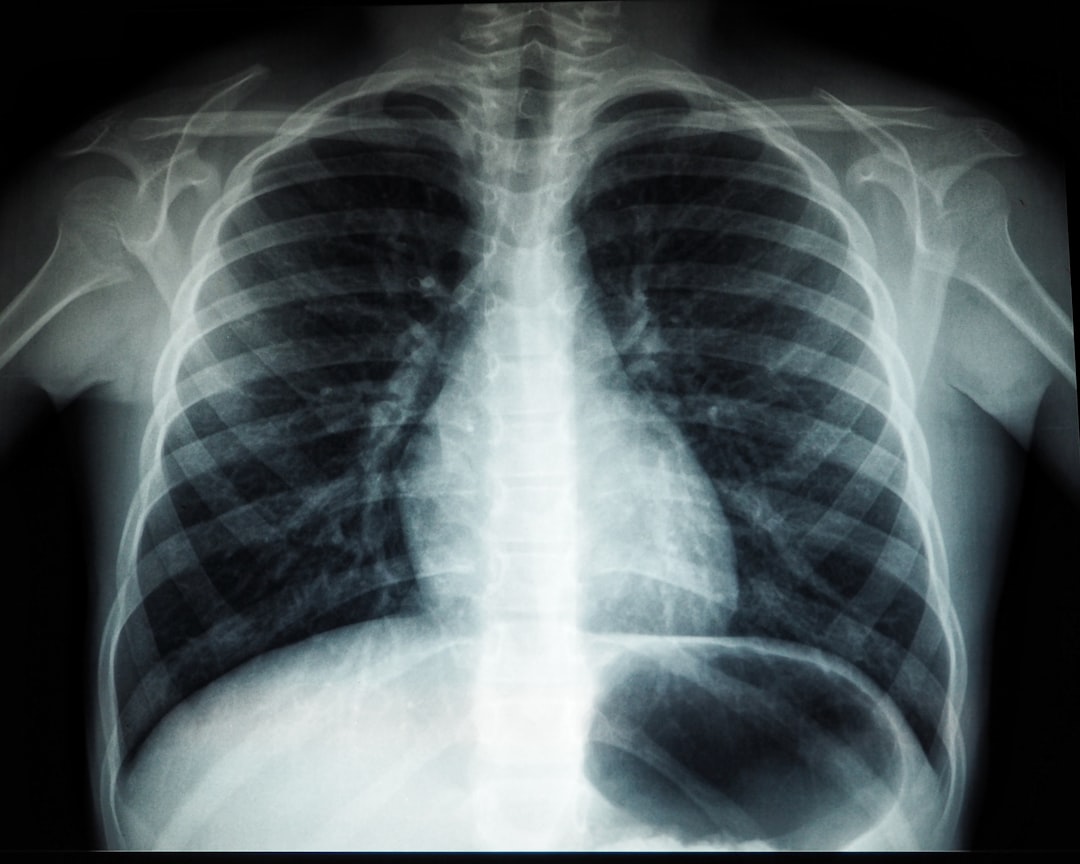
I once tried to explain the difference between an x-ray tech and a radiologist at a family dinner and, after three minutes, realized I had accidentally made it sound as if one person both positions your ankle and then vanishes into a dark room to diagnose it with the gravitas of a courtroom judge. Not quite. The radiologic technologist is the hands-on imaging professional who gets the picture. The radiologist is the physician who reads it.
If you are the person circling health care careers with a mug of coffee and a slightly bossy spreadsheet, this is the practical path. You will see how long it takes, what degree makes sense, how ARRT certification works, where specialties like CT and MRI fit, and what the workday is actually like when the machine is humming and the waiting room is, as waiting rooms tend to be, having a whole little weather system of its own.
The 4-Step Path From High School to Certification
Step 1: Build the right high school foundation. You do not need to emerge from high school as a tiny physicist in sneakers, but biology, anatomy, algebra, computer basics, and communication-heavy classes all help. This job is technical, yes, but it is also relentlessly human. You position people who are scared, hurting, impatient, embarrassed, or all four before lunch.
Step 2: Choose an accredited radiography program. Most future x-ray technologists complete an associate degree, though some enter through a postsecondary certificate or a bachelor’s program. My Next Move, from the U.S. Department of Labor, says radiologic technologists and technicians usually need an associate degree or certificate after high school, and notes that most states require a license or professional certification to practice.
Step 3: Complete clinical training. This is where the tidy brochure version of the career meets actual patients, actual equipment, and actual days when nothing is where it was supposed to be. You learn positioning, radiation safety, anatomy, patient care, image evaluation, and how to work without rattling everyone in the room. RadiologyInfo.org explains that technologists position patients, operate imaging equipment, check images for quality, and follow ALARA radiation safety standards, meaning exposure should be kept “As Low As Reasonably Achievable.”
Step 4: Meet ARRT requirements and pass the exam. The American Registry of Radiologic Technologists says most radiologic technologists enter the profession as radiographers, using x-ray equipment to capture images of internal organs, soft tissues, and bones. To earn ARRT credentials through the primary pathway, candidates generally complete an ARRT-approved educational program, meet ethics requirements, and pass the certification exam. Very official. Very worth putting on the spreadsheet.
Certificate, Associate, or Bachelor’s Degree?
The short answer: an associate degree is the most common route for radiologic technology. The longer answer, because careers refuse to behave like tidy recipe cards, is that the best path depends on your background, budget, local licensing rules, and how far you think you may want to advance.
O*NET OnLine reports that 73% of surveyed workers said an associate degree is required, while 17% reported a postsecondary certificate and 11% reported a bachelor’s degree. O*NET classifies the occupation as Job Zone Three, meaning medium preparation is needed and workers typically need one to two years of training involving experience and instruction.
- Certificate programs: Often shorter and more focused, usually best for people who already have some health care education or are in a state and program structure where this route leads to eligibility.
- Associate degree programs: The standard, practical path for many students. Expect roughly two years, including classroom work and clinical rotations.
- Bachelor’s degree programs: Longer and usually more expensive, but potentially useful if you want leadership, education, advanced practice, or broader imaging opportunities later.
The American Society of Radiologic Technologists says registered radiologic technologists must earn an associate or more advanced degree from an accredited hospital-based program or academic institution and pass a national certification examination. To remain registered, they must also complete 24 continuing education credits every two years. The machines evolve, the protocols evolve, and alas, so must we.
What the Job Is Really Like
Radiologic technology is not hard in the cinematic “I shall now perform a miracle” sense. It is hard in the steady, exacting, on-your-feet sense. You need accuracy, calm, stamina, patient communication, and a tolerance for repetition that still leaves room for alertness. O*NET reports that 97% of radiologic technologists have constant contact with others, 74% say accuracy is extremely important, 94% are exposed to diseases or infections every day, and 69% are exposed to radiation every day. So no, it is not a quiet little button-pushing job. The button is involved. The person attached to the exam matters more.
In a hospital, your day may include emergency room imaging, portable bedside x-rays, operating room cases, trauma patients, and weekend or evening shifts. Hospitals do not close at 5 p.m. because someone made lasagna. If you work there, weekends and holidays may be part of the deal.
In an outpatient clinic, the rhythm is often more scheduled: orthopedic images, chest x-rays, follow-up exams, and patients arriving in a steadier stream. The hours may be more predictable, though clinics can still run late because bodies, traffic, insurance cards, and printer trays enjoy forming alliances.
RadiologyInfo.org puts the core duty plainly: “The technologist operates the imaging equipment and checks the captured images to ensure they are of high quality for accurate interpretation.” That one sentence contains the whole little kingdom: patient care, technical skill, image quality, and the humility of knowing your work helps someone else make the diagnosis.
X-Ray Tech vs. Radiologist: The Clean Distinction
An x-ray technologist, radiographer, or radiologic technologist performs the imaging exam. They position the patient, set up the equipment, follow safety procedures, capture the images, and check that the images are usable. They do not usually diagnose the image for the patient.
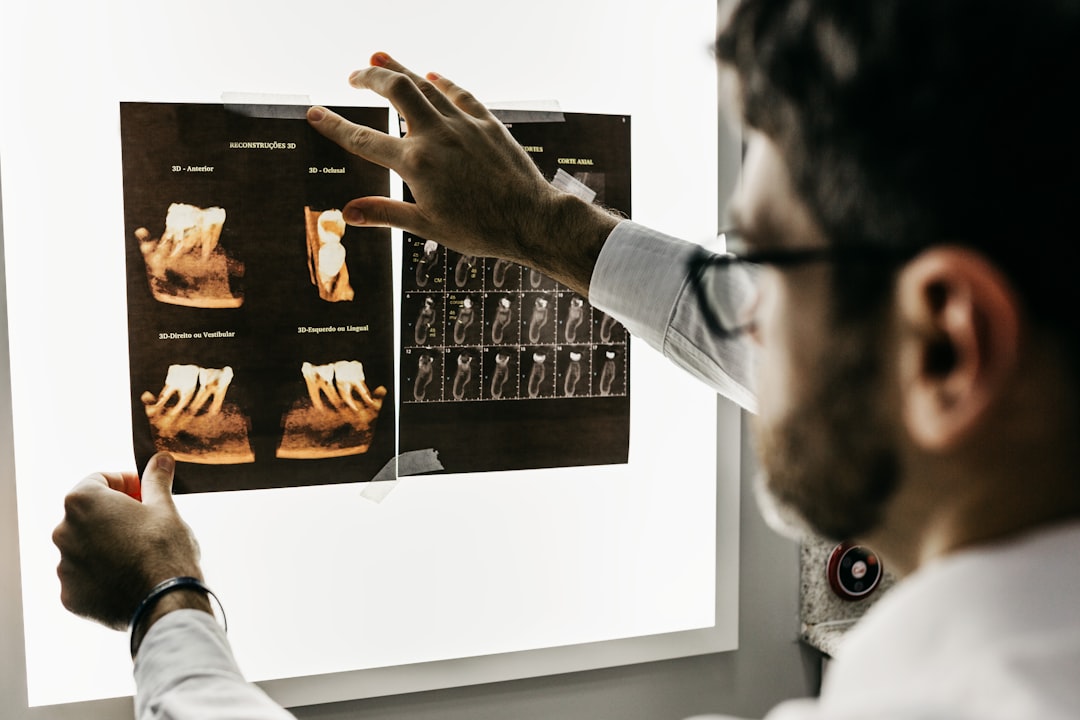
A radiologist is a physician. ASRT explains that radiologists complete a four-year doctoral degree to become an M.D. or D.O., followed by an additional four-year residency in diagnostic radiology or radiation oncology. They interpret medical images and issue diagnostic reports. In kitchen-table terms: the technologist makes the image happen; the radiologist reads what the image means.
This distinction matters when you are choosing a career path. Becoming a radiologic technologist may take about two years for many students. Becoming a radiologist means medical school, residency, and a much longer road. Both are important. Only one lets you get into the field comparatively quickly without signing your twenties over to the academic goblin.
Specialties, Pay, and Job Outlook
Yes, x-ray techs can specialize. In fact, specialization is one of the best parts of the field if you like the idea of starting with radiography and then adding new skills. ARRT offers credentials across multiple disciplines, including radiography, computed tomography, magnetic resonance imaging, mammography, nuclear medicine technology, sonography, radiation therapy, and vascular interventional radiography. Its postprimary pathway allows currently certified and registered technologists to pursue additional credentials such as CT, MRI, mammography, bone densitometry, and cardiac interventional radiography.
ASRT lists specialty areas that include computed tomography, MRI, mammography, bone densitometry, nuclear medicine, sonography, cardiac interventional, and vascular interventional radiography. Translation: the first credential does not have to be your final form. You can become the CT person, the MRI person, the mammography person, the interventional suite person who knows exactly where everything is and moves with alarming competence.
Pay is one of the reasons this career gets serious attention. O*NET reports: “Workers on average earn $80,110. 10% of workers earn $55,980 or less. 10% of workers earn $118,660 or more.” Location, shift differentials, specialty credentials, experience, and workplace type can all move that number around. The person working nights in a busy hospital CT department may have a very different pay picture than a new graduate in a small outpatient office.
The outlook is steady rather than fireworks-in-the-driveway spectacular. My Next Move rates the job outlook as average and says new job opportunities are likely in the future. In a health care world that keeps needing diagnostic imaging, “average” is not an insult. It is more like the sensible shoes of career forecasts: not glamorous, but very useful.
Is This Path Worth It?
If you want a health care career that blends patient care, technology, anatomy, precision, and a relatively direct education path, radiologic technology deserves a serious look. For many people, the route is roughly two years: finish prerequisites, complete an accredited associate program, graduate, meet ARRT ethics and exam requirements, and apply for state licensure where required. Certificate and bachelor’s routes exist, but the associate degree is the dependable middle lane.
The work can be physically and emotionally demanding. You may work weekends. You will need to be careful every single day. But you will also be part of the moment when uncertainty becomes an image a physician can interpret, and that is no small thing. Start by checking accredited programs in your state, confirm their ARRT eligibility and clinical placement support, and compare total costs before you fall in love with a brochure. The brochure will be fine. Make it prove itself.